
RURAL REVOLT AGAINST WAR: green corn rebellion
With Layan Fuleihan
Feb 24, 6:30pm
In August 1917, hundreds of poor white, Black, Seminole and Creek farmers in Oklahoma took up arms, refused the WWI draft as a "rich man's war and a poor man's fight," and planned to march on Washington to end American involvement in the war—an uprising that became known as the Green Corn Rebellion. Though the rebellion was crushed and over 450 were arrested, the Green Corn Rebellion stands as a powerful history of multiracial, class-based solidarity among the rural poor who recognized their shared enemy in capitalist exploitation and imperial war. In this class, we'll explore these alliances between tenant farmers, sharecroppers, and Indigenous peoples, examining the radical traditions that flourished across the rural West and asking why these histories have been so deliberately buried
TEXT / PRIMARY SOURCES
-
![]()
ARTICLE: When the Socialist Revolution Came to Oklahoma
Inside the little-known story of the Green Corn Rebellion, which blazed through the Sooner State a century ago
-
![]()
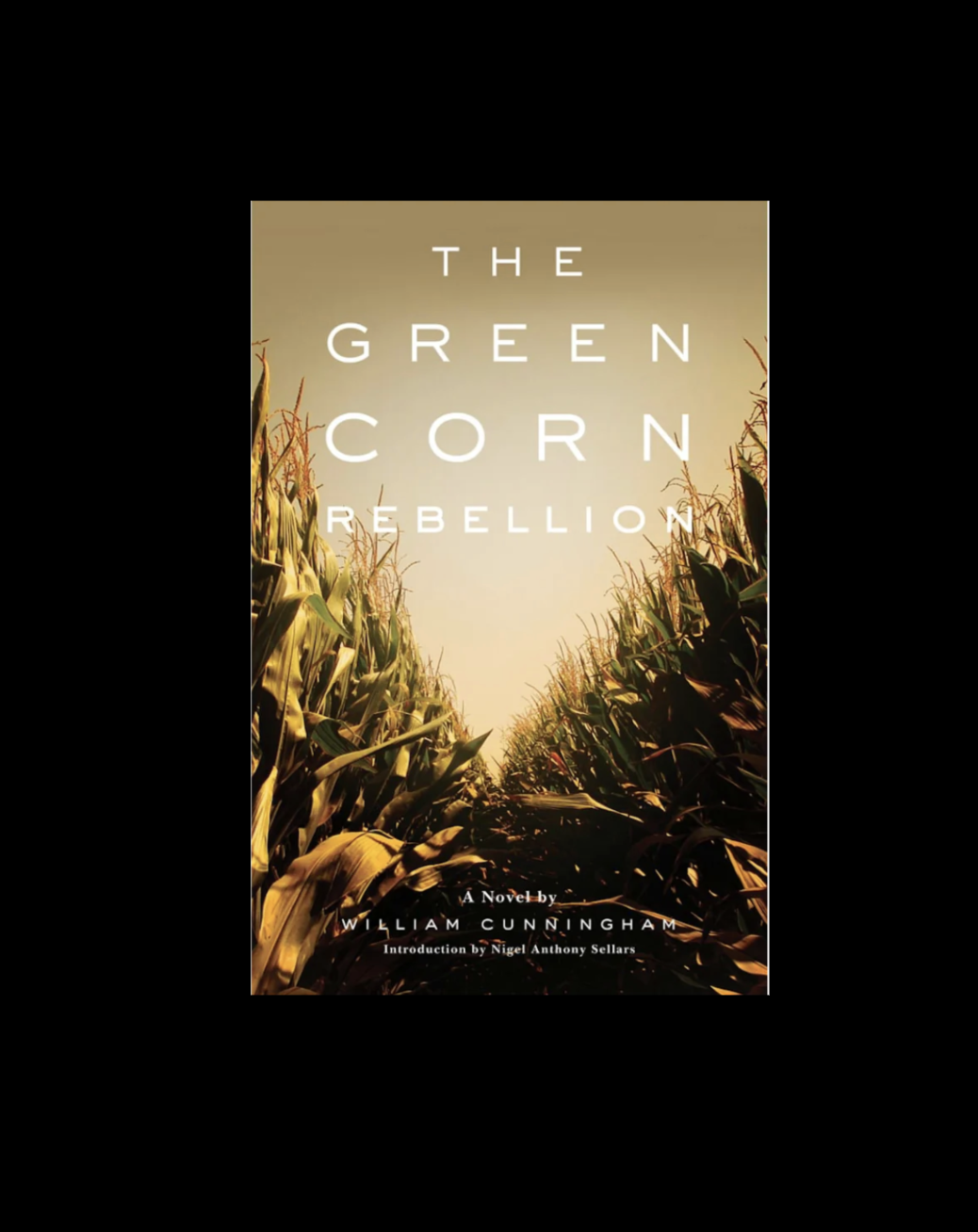
book: Green Corn Rebllion
These days, rural Oklahoma is the last place anybody would look for leftist revolutionaries, but in 1917 the area exploded into full-blown insurrection. The state's tenant farmers, many of whom were Socialist Party members, viewed the Great War in Europe as a conflict that benefited only the rich. When the federal government enacted a draft, an uprising in eastern Oklahoma saw local townspeople skirmishing with rebellious farmers, including whites, blacks, and American Indians. More than 250 men were arrested — some sentenced for up to ten years' imprisonment.
-
![]()
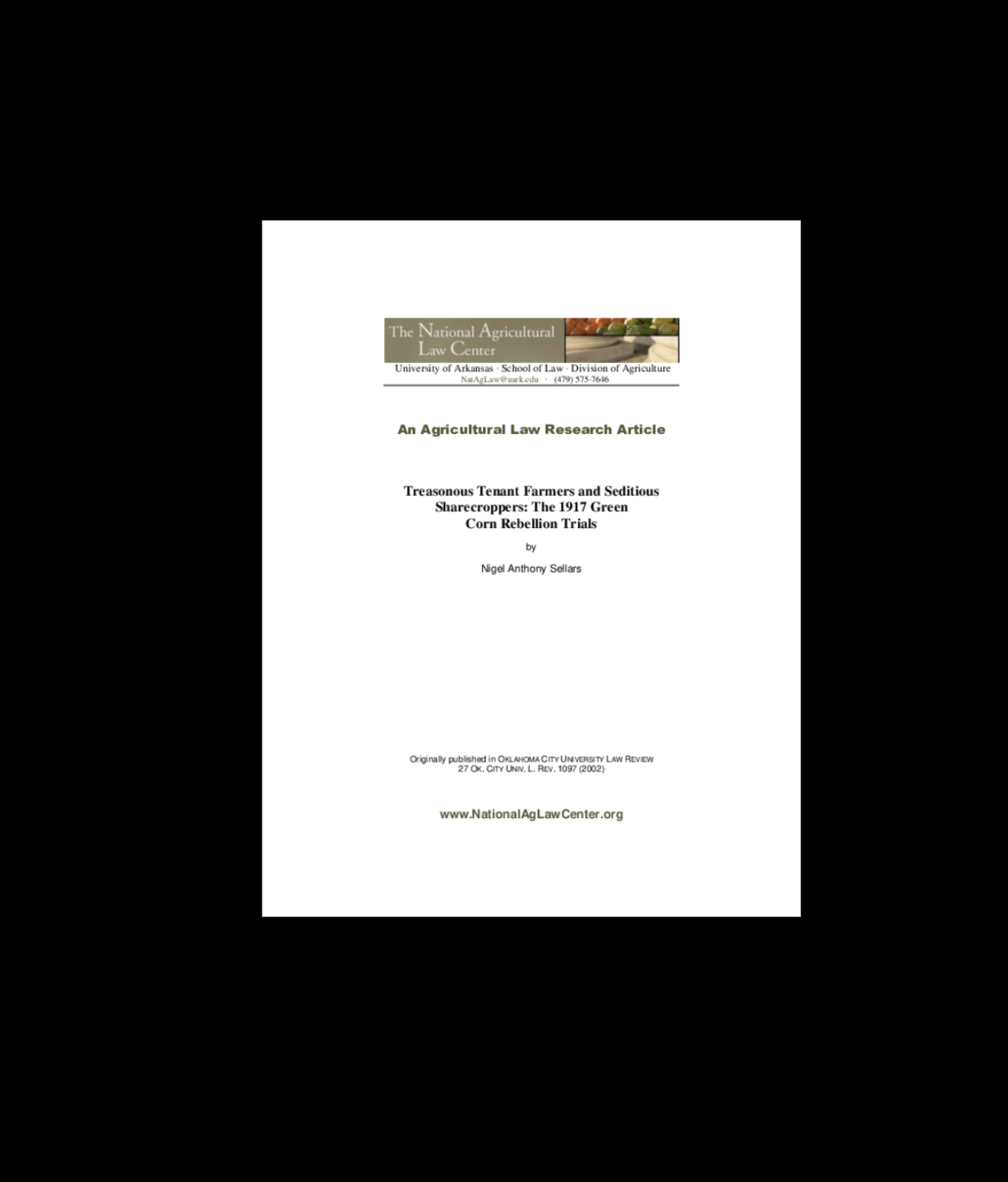
ARTICLE: The 1917 Green Corn Rebellion Trials
An Agricultural Law Research Article:
Treasonous Tenant Farmers and Seditious Sharecroppers: The 1917 Green Corn Rebellion Trials by Nigel Anthony Sellars
-
![]()
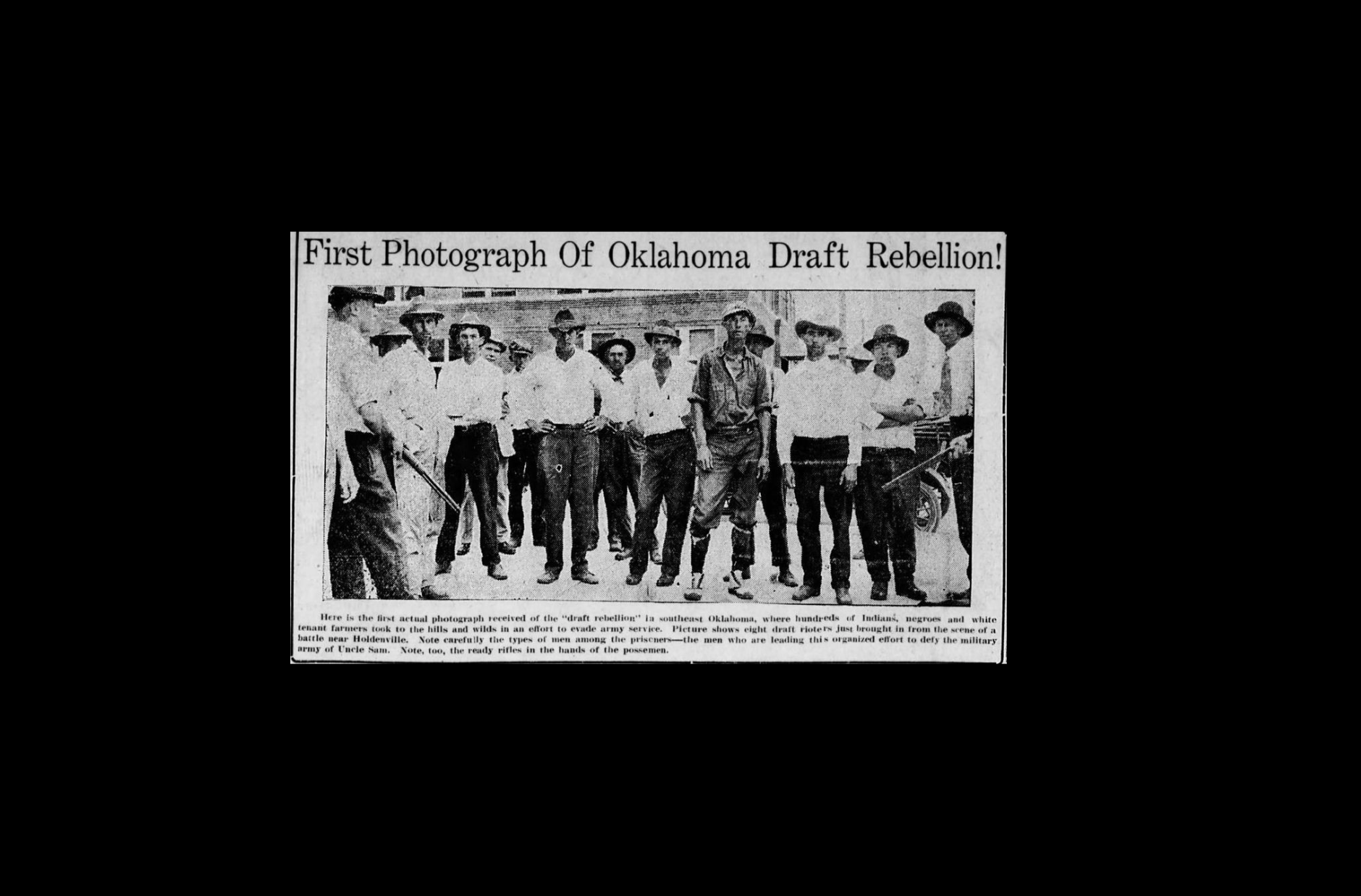
PRIMARY SOURCE: Newspaper clipping
In the summer of 1917, the rural counties bordering the South Canadian River in central Oklahoma seethed with anger. Tired of economic exploitation, bewildered by the United States' recent entry into a European war, and hardened by the possibility of being drafted, hundreds of working-class tenant farmers banded together and determined to foment a Socialist revolution. The Green Corn Rebellion had begun.
-
![]()
BOOK CHAPTER: The Green Corn Rebellion and the struggle for socialism
Chapter 6 from Sam Marcy’s Book, The Bolsheviks and War
“The anti-war struggles of the past in the U.S. have not always been mere protest movements of a passive character composed mainly of middle class elements and the youth. Those earlier struggles against wars of U.S. imperialism were altogether different, particularly the movement against the first imperialist world war of 1914-1918. The truth of the matter is that at that time the struggles had mainly a working class and socialist character. Opposition to the war took on many forms and was often militant in character resorting to direct action and armed resistance. Opposition to the draft was widespread, and took on massive proportions in many of the cities of the U.S…”
-
![]()
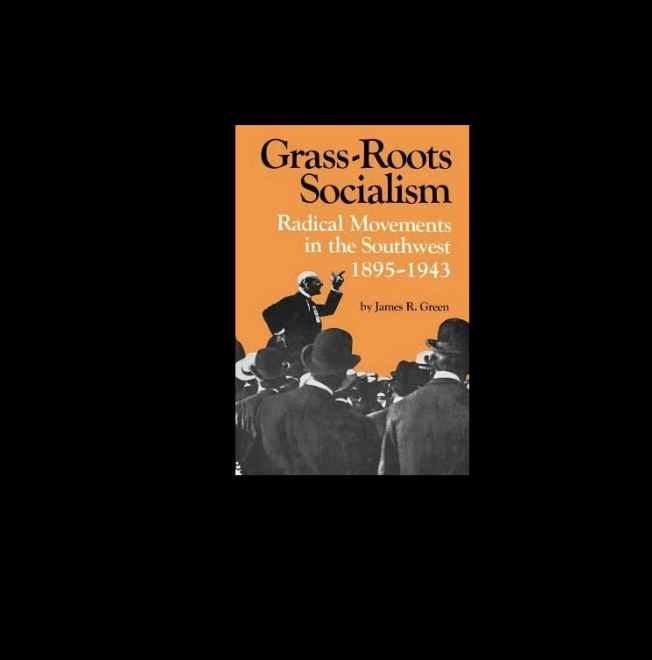
BOOK: Grass-roots Socialism: Radical Movements in the Southwest 1895-1943
Grass-Roots Socialism answers two of the most intriguing questions in the history of American radicalism: why was the Socialist party stronger in Oklahoma than in any other state, and how was the party able to build powerful organizations in nearby rural southwestern areas?
-
![]()
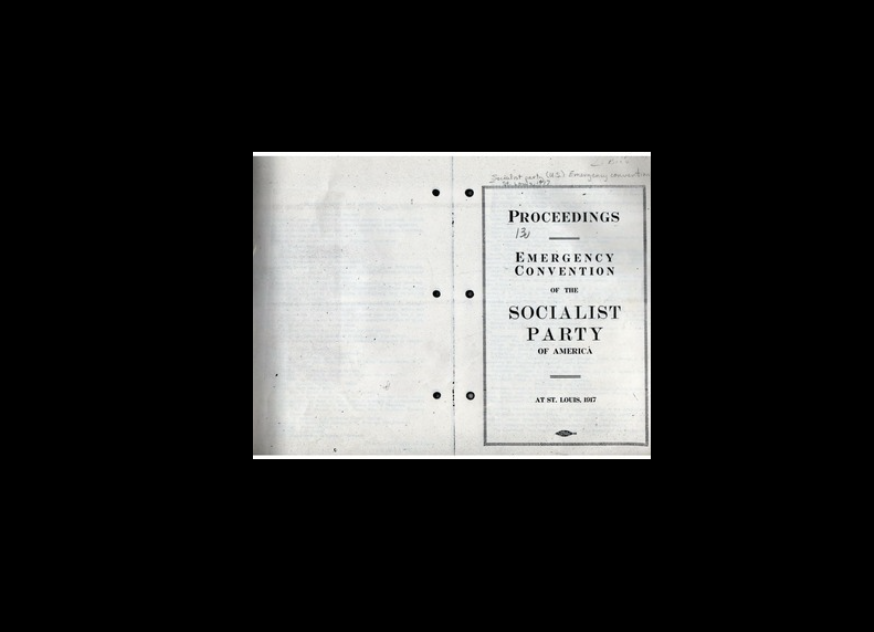
PRIMARY SOURCE: The St. Louis Resolution Against War:
Adopted at the St. Louis National Emergency Convention, April 7-14, 1917 and Ratified by Referendum
“The Socialist Party of the United States in the present grave crisis solemnly reaffirms it allegiance to the principle of internationalism and working class solidarity the world over, and proclaims its unalterable opposition to the war just declared by the government of the United State…”
-
![]()
BOOK: And Still the Waters Run: The Betrayal of the Five Civilized Tribes
And Still the Waters Run tells the tragic story of the liquidation of the independent Indian republics of the Choctaws, Chickasaws, Cherokees, Creeks, and Seminoles, known as the Five Civilized Tribes. At the turn of the twentieth century, the tribes owned the eastern half of what is now Oklahoma, a territory immensely wealthy in farmland, forests, coal, and oil. Their political and economic status was guaranteed by the federal government—until American settlers arrived. Congress abrogated treaties that it had promised would last “as long as the waters run,” and within a generation, the tribes were systematically stripped of their holdings, and were rescued from starvation only through public charity. Called a “work of art” by writer Oliver La Farge, And Still the Waters Run was so controversial when it was first published that Angie Debo was banned from teaching in Oklahoma for many years. Now with an incisive foreword by Amanda Cobb-Greetham, here is the acclaimed book that first documented the scandalous founding of Oklahoma on native land.



MEDIA
-
![]()
PBS DOCUMENTARY - Back in time: green corn rebellion
In August 1917, a ragtag coalition of tenant farmers, sharecroppers, and renegade Socialists rose up in rural Oklahoma to stop the draft and America’s entry into World War I. They imagined a vast army of the oppressed rising with them, marching on Washington to topple the government. the “Green Corn Rebellion” though bold, was short-lived.
-
![]()
LECTURE: Socialism in Early 20th Century America
Columbia University history professor Eric Foner examines the rise of socialism in America in the early 20th century. He talks about the Socialist Party in New York City and Milwaukee, and looks at the Socialist Party of America presidential campaigns of Eugene Debs.

Glossary
Tenant farming
A system in which farmers work land they do not own, paying rent to a landowner either in cash or as a share of the crop.
Sharecropping
Crop-lien system
The most exploitative form of tenant farming. The sharecropper owns absolutely nothing—no land, no tools, no seed, no draft animals. The landowner provides everything. In return, the sharecropper surrenders half or more of the harvest. This is the bottom of the agricultural hierarchy, one step above slavery.
Cotton monoculture
Each spring, the tenant needs seed, tools, food to survive until harvest. Country merchants extend credit—but at vastly inflated prices. The merchant takes a ‘lien’—a legal claim—on the future crop. If the harvest is poor or prices fall, the farmer goes deeper into debt. The merchant then extends credit for next year on even worse terms. The system was designed to produce permanent debt
Southeastern Oklahoma was locked into growing a single crop—cotton—which exhausted the soil, left farmers vulnerable to the boll weevil, and subjected them to commodity prices they could not influence. Landowners required cotton because it was the only cash crop the merchant-credit system recognized.