RESOURCES & SUPPLeMENTAL MATERIALS
The following resources have been compiled to support and deepen your engagement with course themes across all sessions. None are required, but each offers valuable context for the ideas, histories, and debates we'll be exploring together. While organized by class, you may find that any of these materials resonate at different points throughout the course. You'll also find a glossary of key terms to reference throughout. This page will continue to be updated throughout the course.
Session 1: Culture Is A Battlefield
-
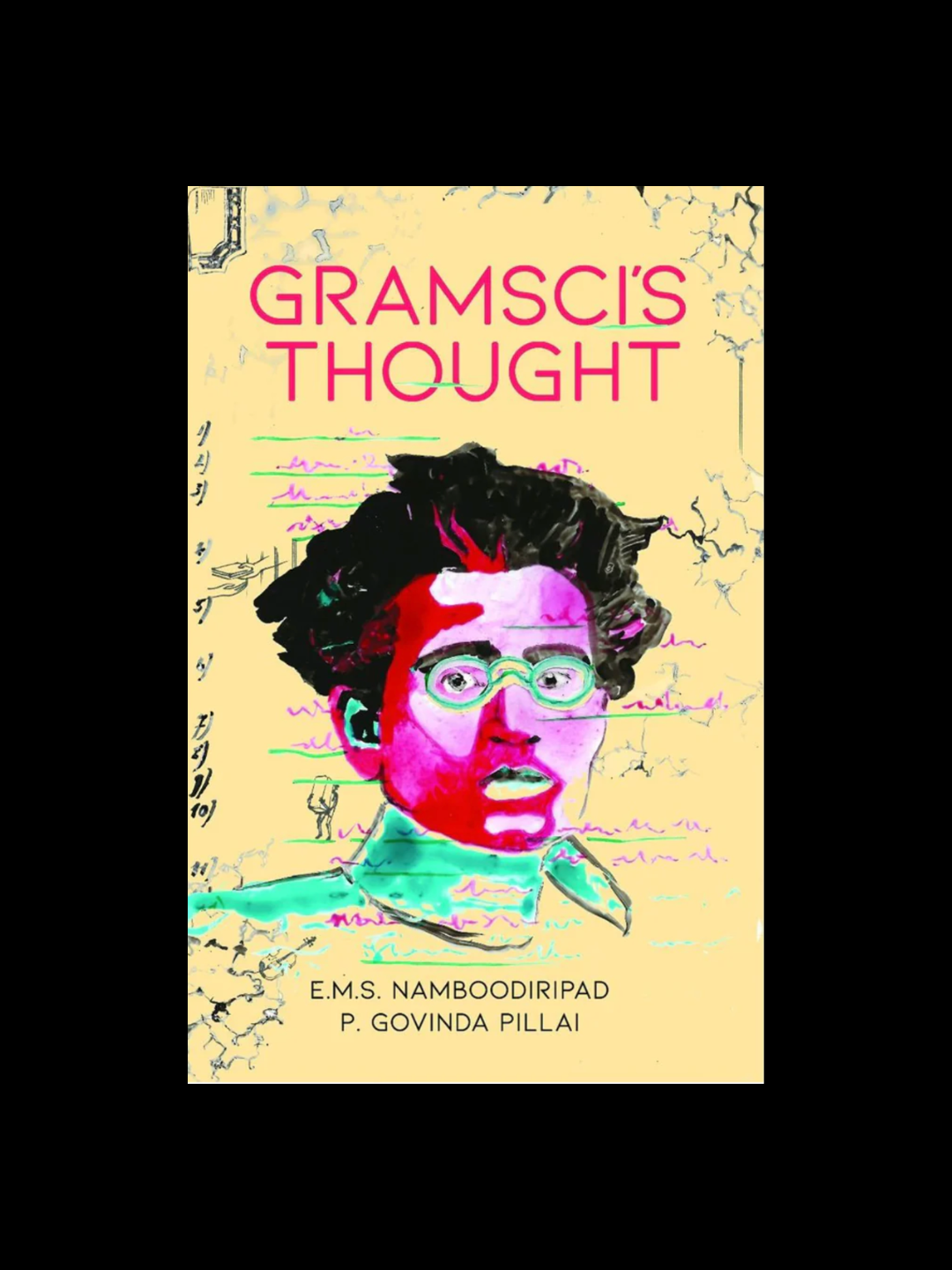
Gramsci's Thought
BOOK
Written by E.M.S. Namboodiripad and P. Govinda Pillai, this book is a comprehensive introduction to the political and social theories of Antonio Gramsci. -
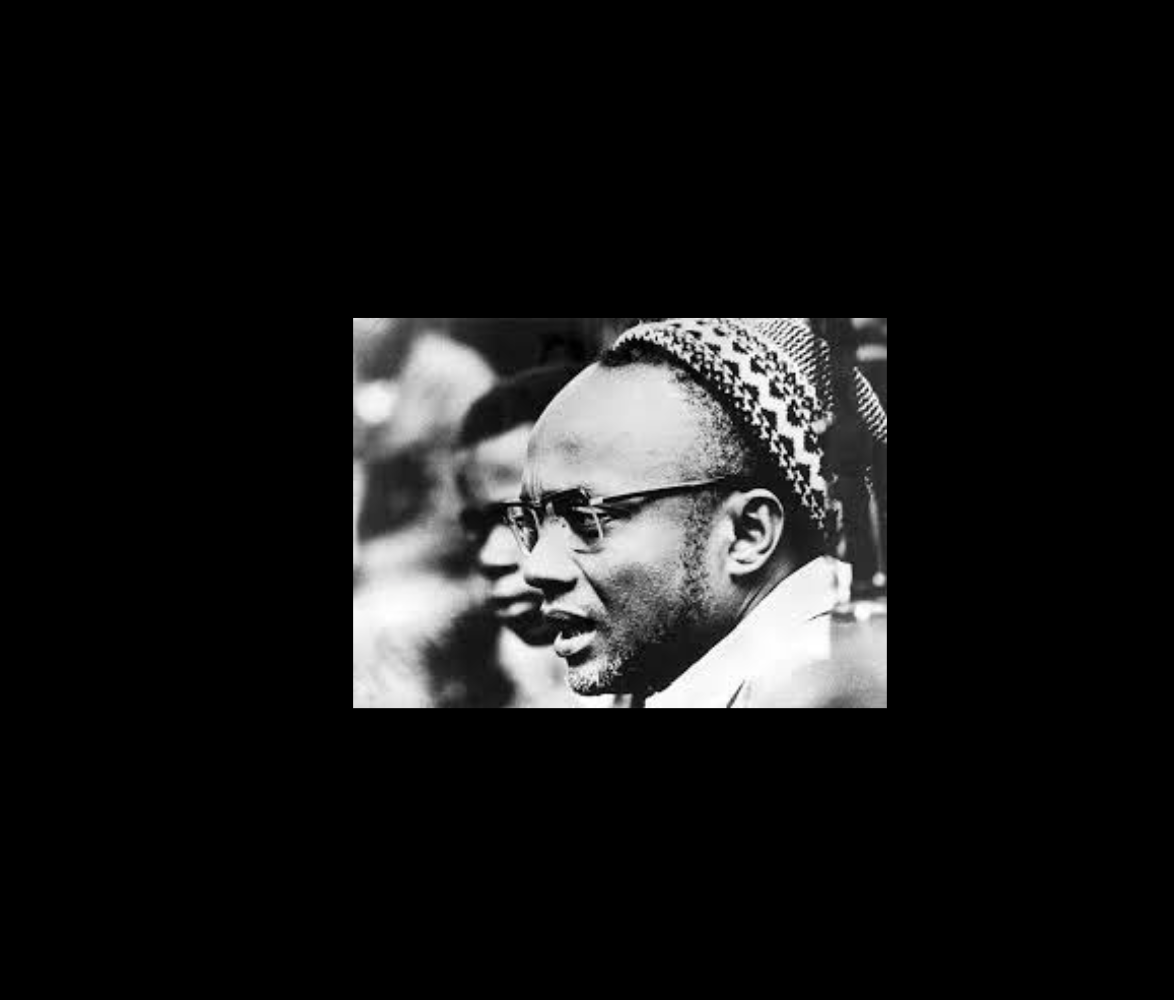
National Liberation and Culture
SPEECH
In this speech, Amilcar Cabral, leader of the liberation movement in Guinea-Bissau and Cape Verde, described the role of indigenous culture in national liberation movements. -
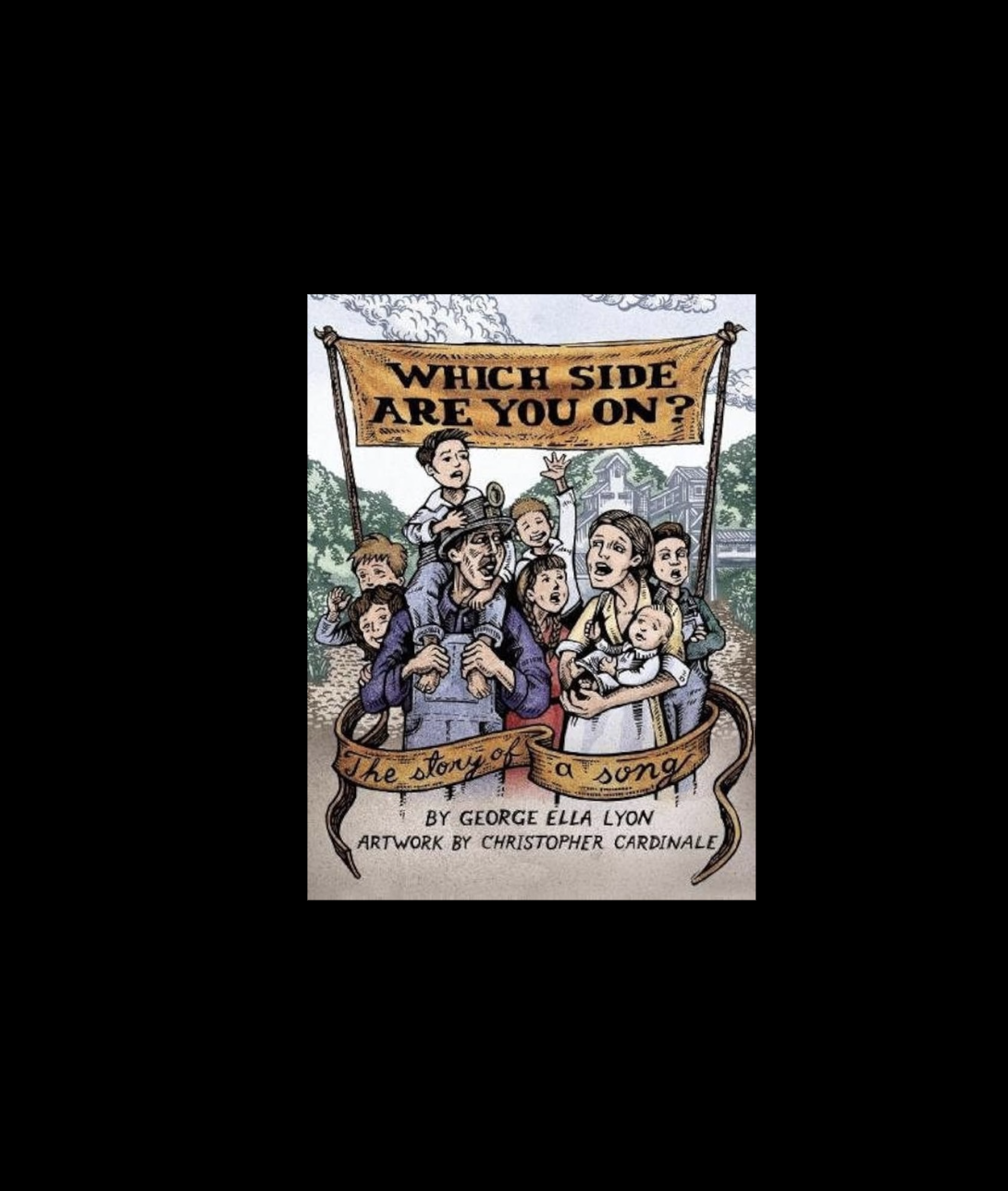
Which Side are you on? (1931)
SONG
"Which Side Are You On?" is a historic 1931 American protest song written by activist Florence Reece during the brutal Harlan County, Kentucky coal mining wars. It was a pro-union song challenging workers to choose between joining the union or supporting the mine owners/thugs. Read about the long history of the song here -
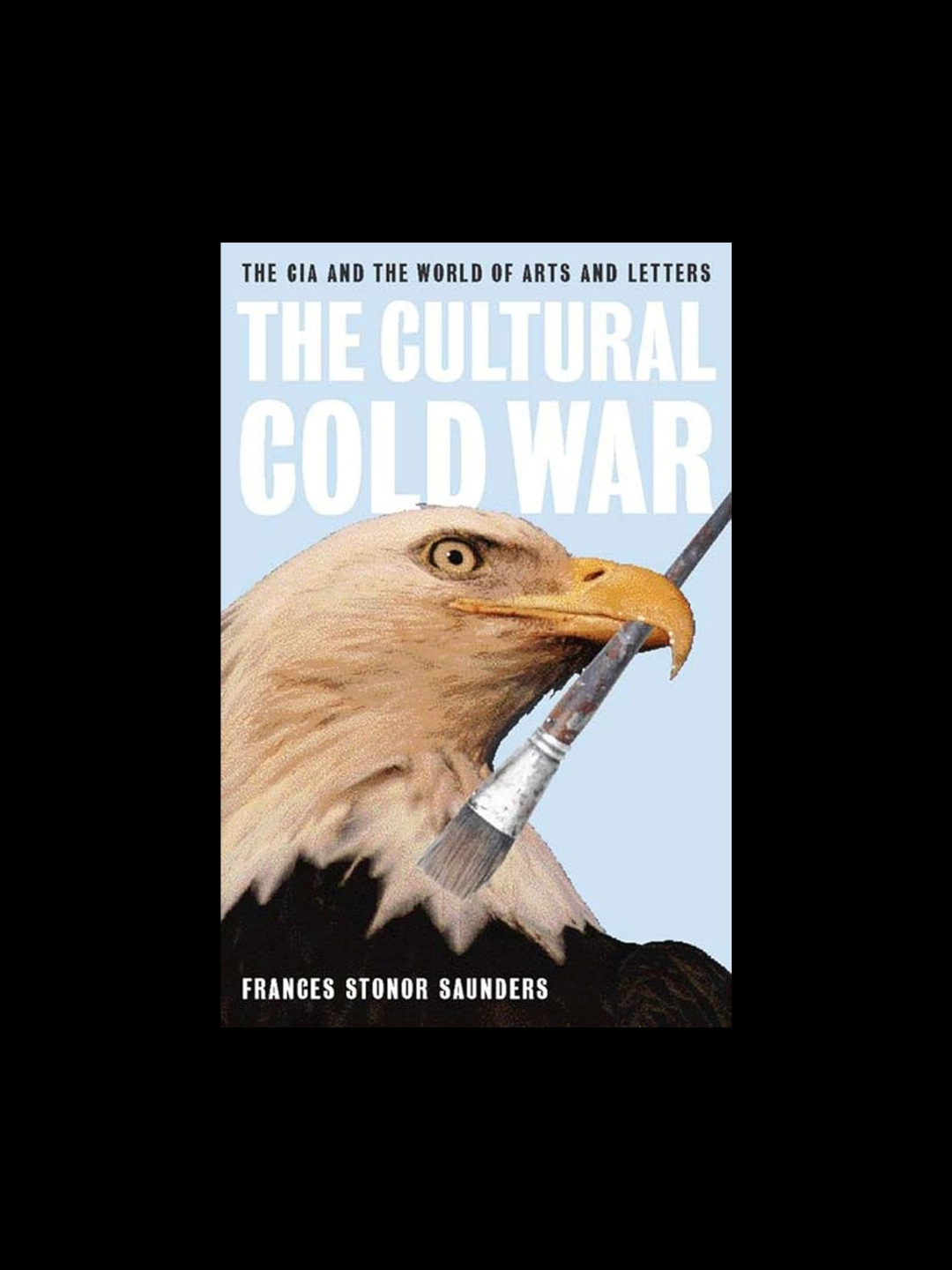
The Cultural Cold War
BOOK
Frances Stonor Saunders investigates how the CIA covertly funded cultural institutions to shape global intellectual life during the Cold War. -
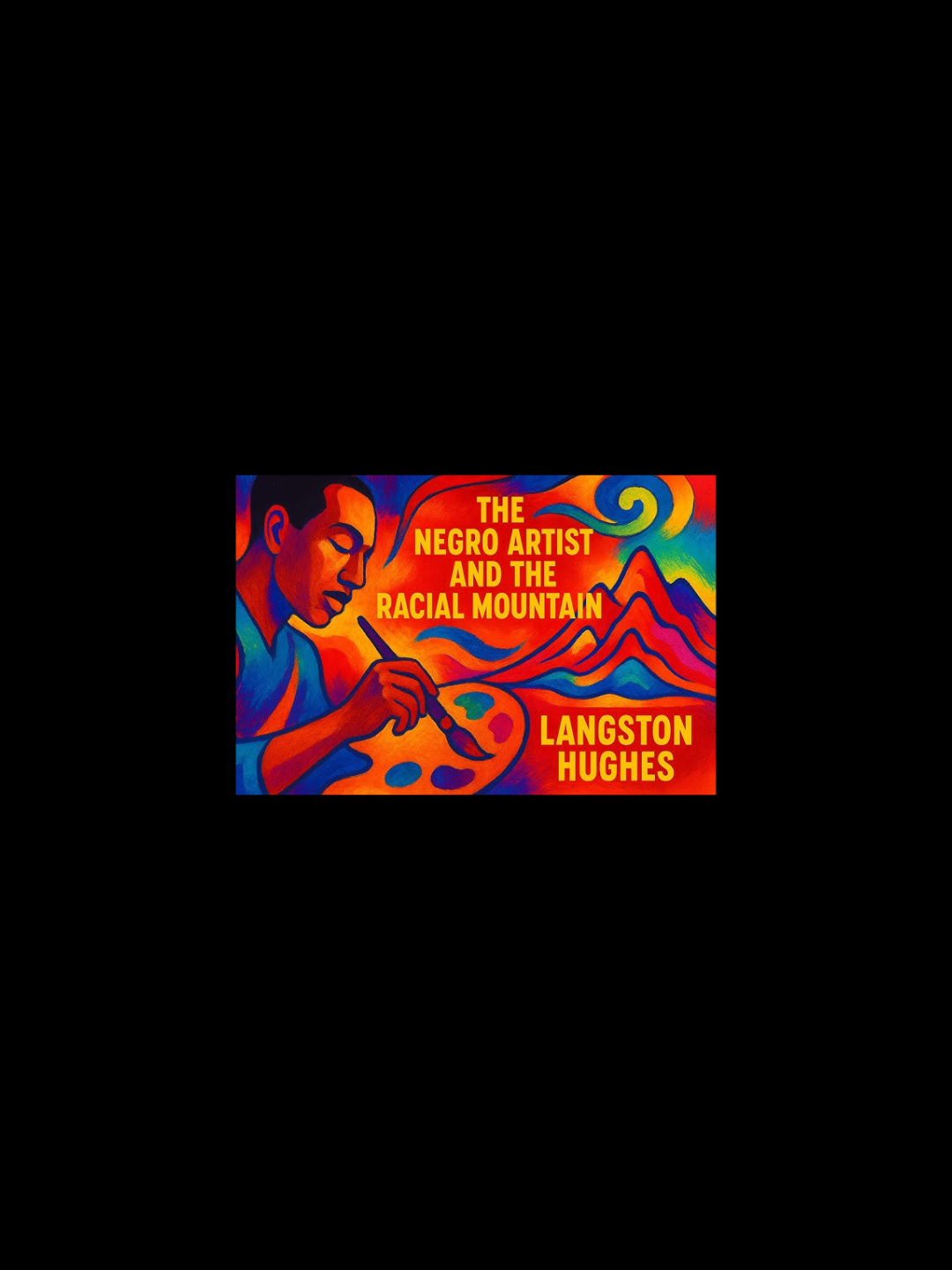
"The Negro Artist and the Racial Mountain"
ESSAY
In this seminal essay, Langston Hughes argues against white cultural superiority, and asserts a call for Black artists to reject assimilation and embrace the richness of Black cultural expression. -
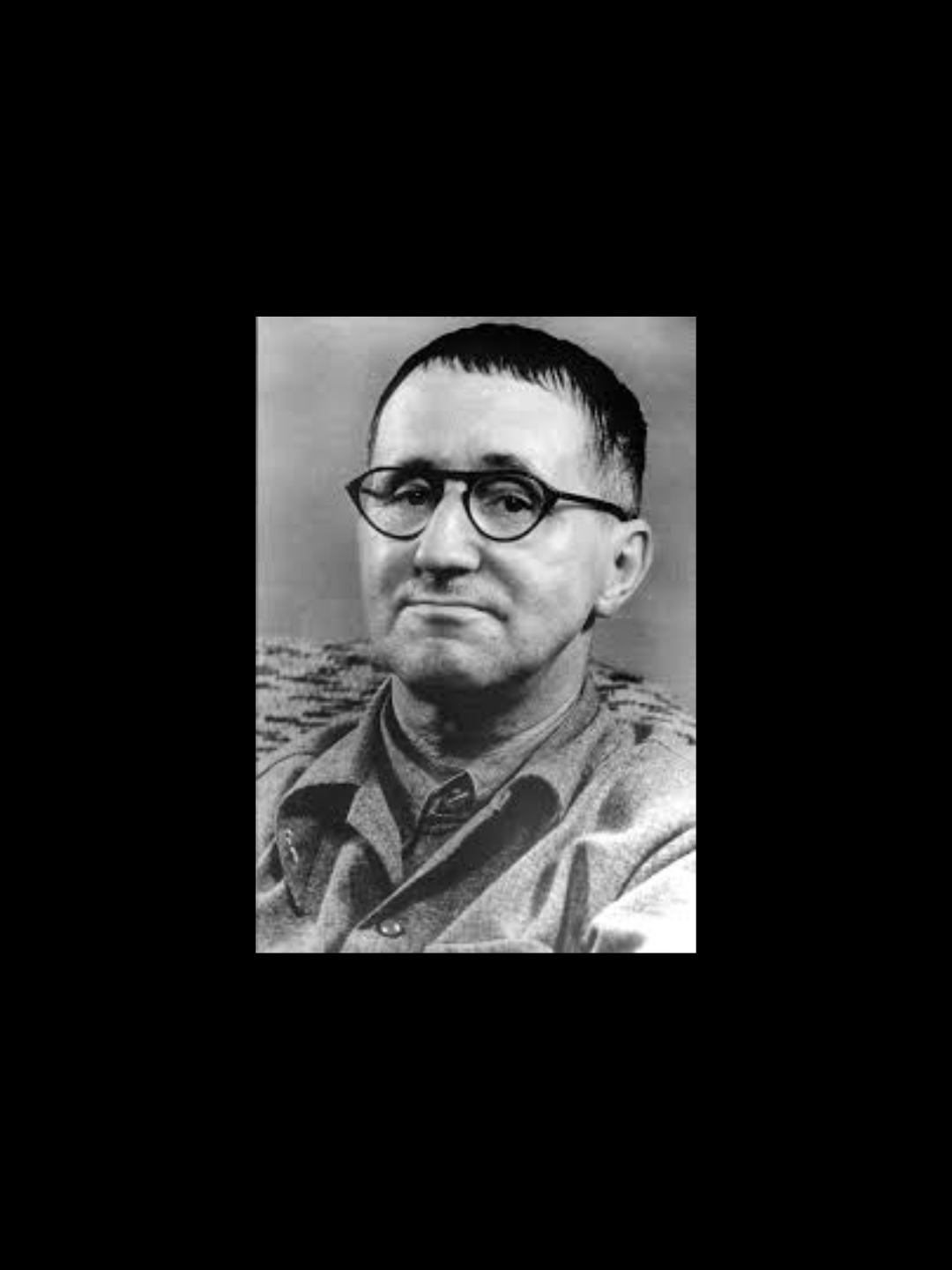
“Speech at the Second Congress of Writers for the Defense of Culture”
SPEECH
Delivered in 1937, Bertolt Brecht’s "Speech at the Second Congress of Writers for the Defense of Culture" argued that culture is a material, not just spiritual, entity that must be defended against fascism with material weapons, not just intellectual ones. -
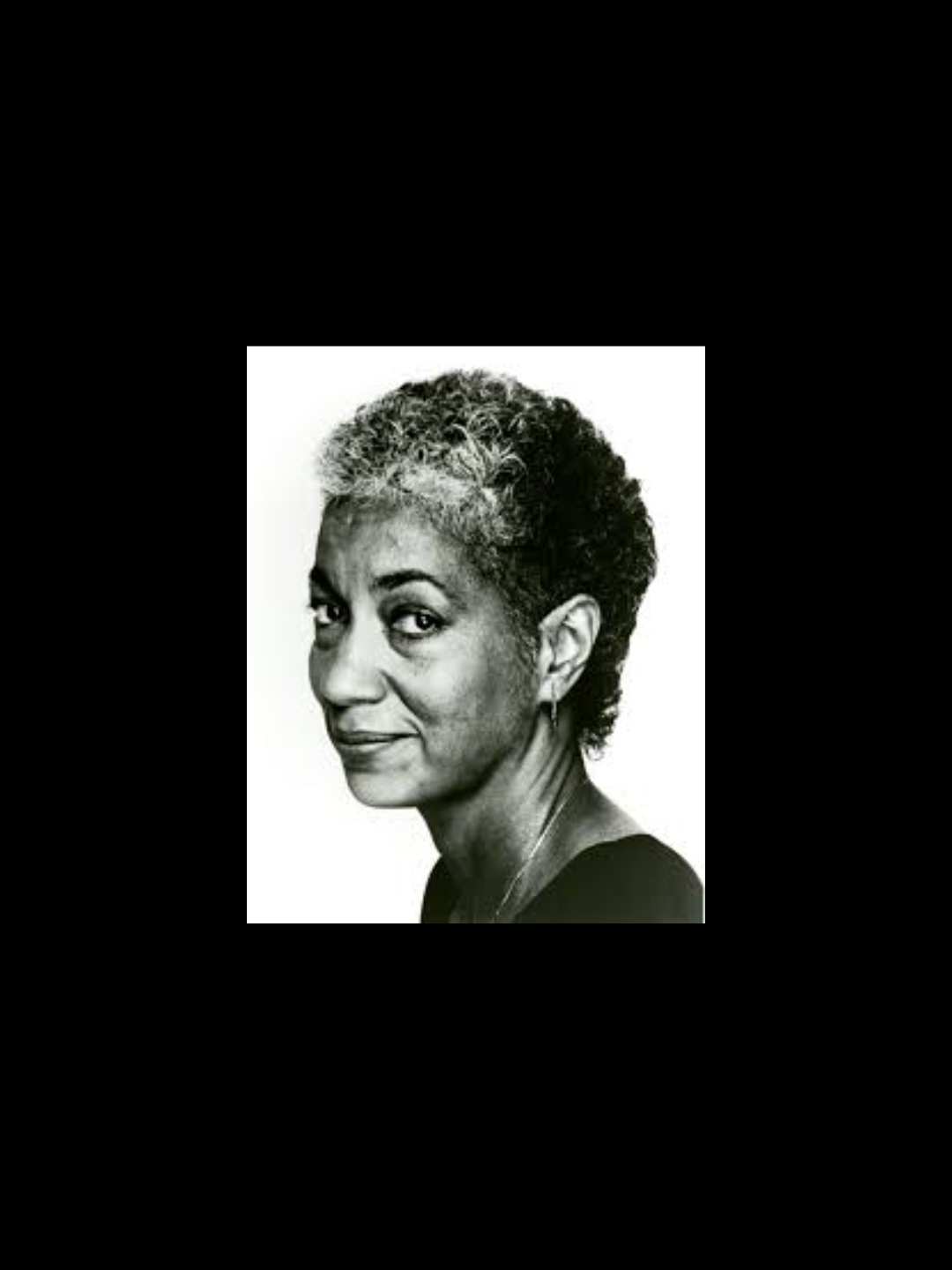
" For the Sake of a People’s Poetry: Walt Whitman and the Rest of Us"
ESSAY
In this essay, June Jordan argues for a democratic, accessible poetry rooted in everyday people’s lives, positioning culture as a shared and collective practice rather than an elite domain. -
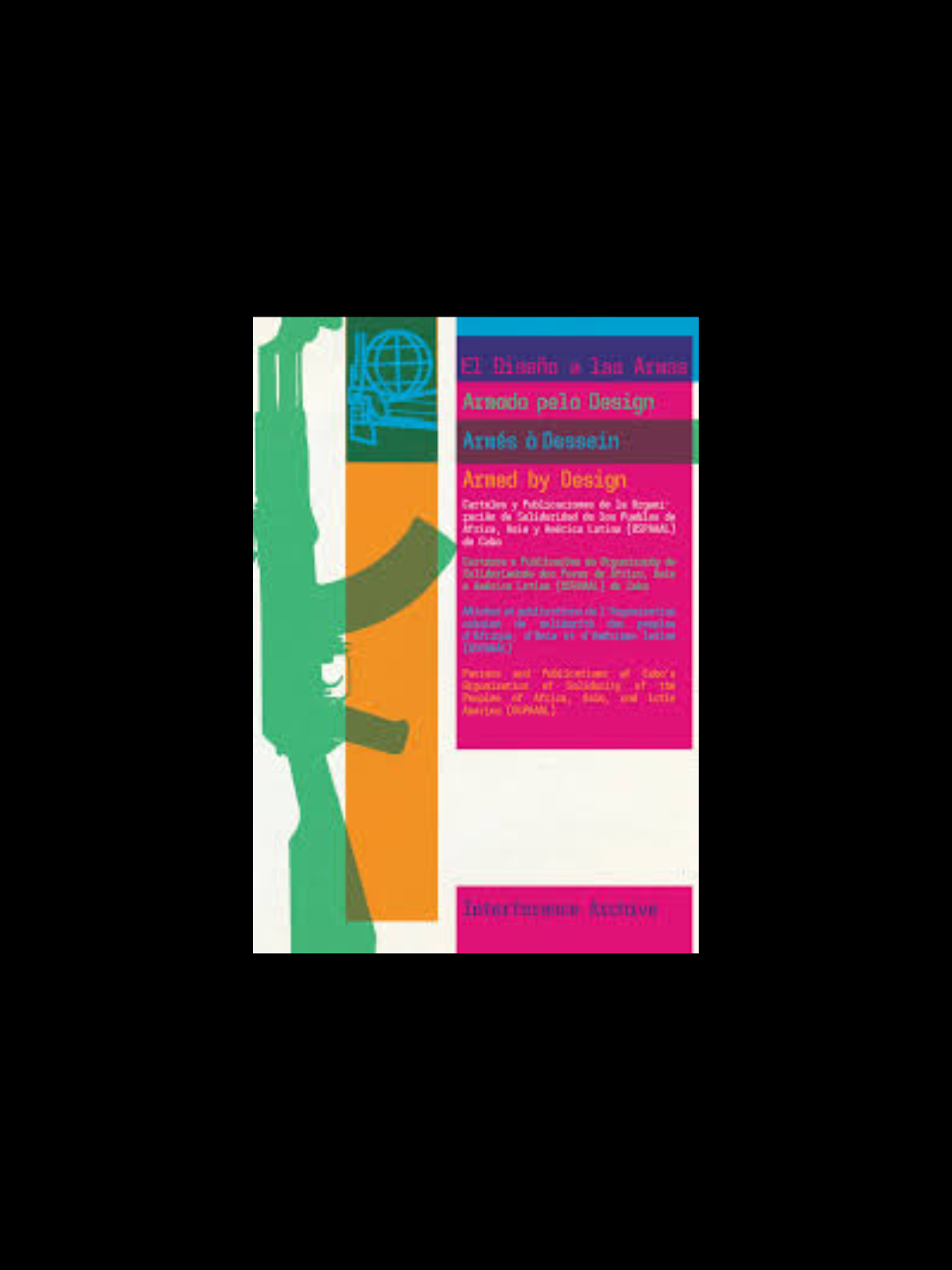
Armed By Design: OSPAAAL solidarity posters (1966–1990)
ART
A visual collection highlighting how revolutionary Cuba used graphic design as an internationalist tool for political education and anti-imperialist solidarity.
Session 2
-
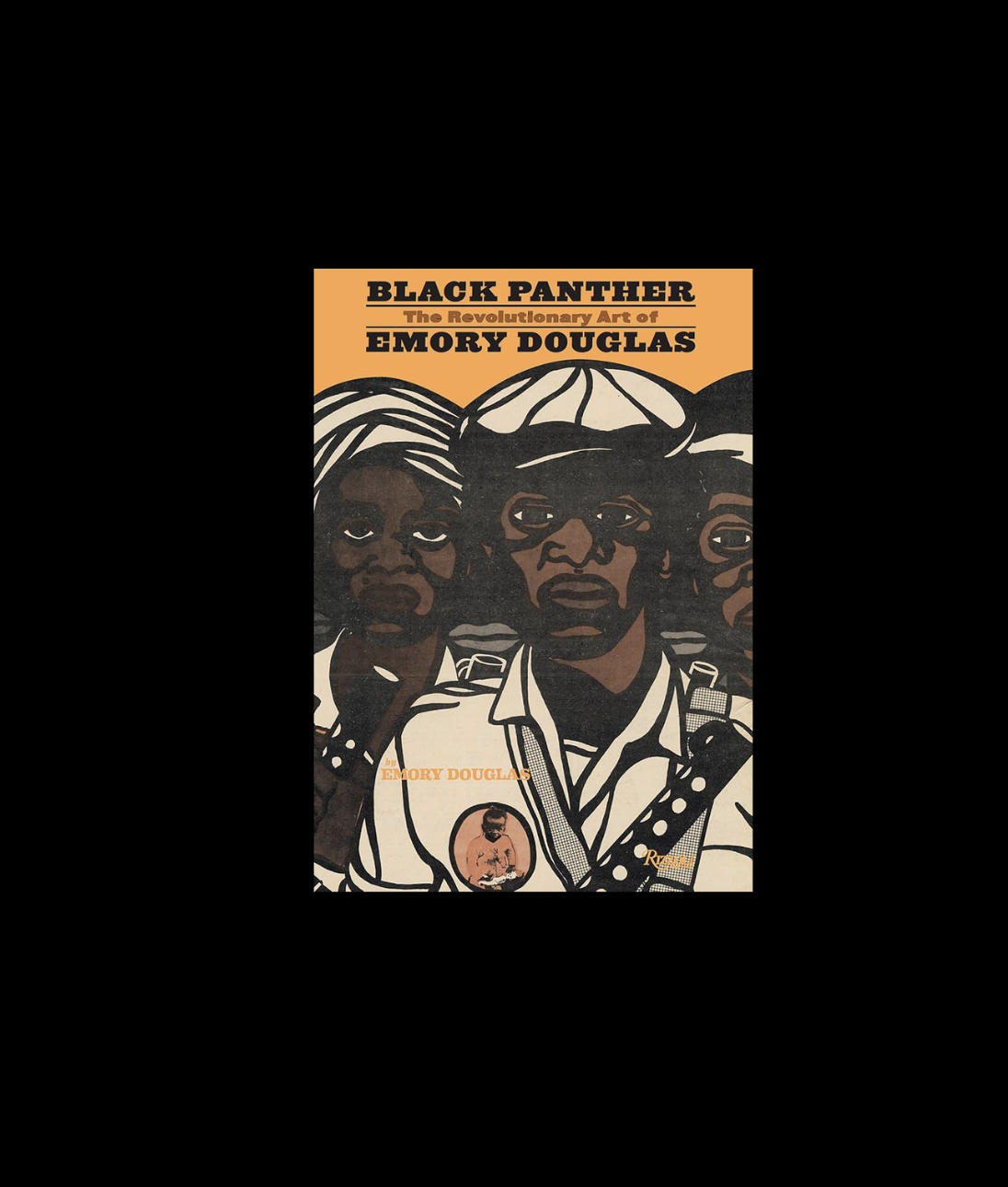
Black Panther: The Revolutionary Art of Emory Douglas
BOOK
Black Panther: The Revolutionary Art of Emory Douglas is the first book to show the revolutionary and groundbreaking posters and graphics of the Black Panther Party. -
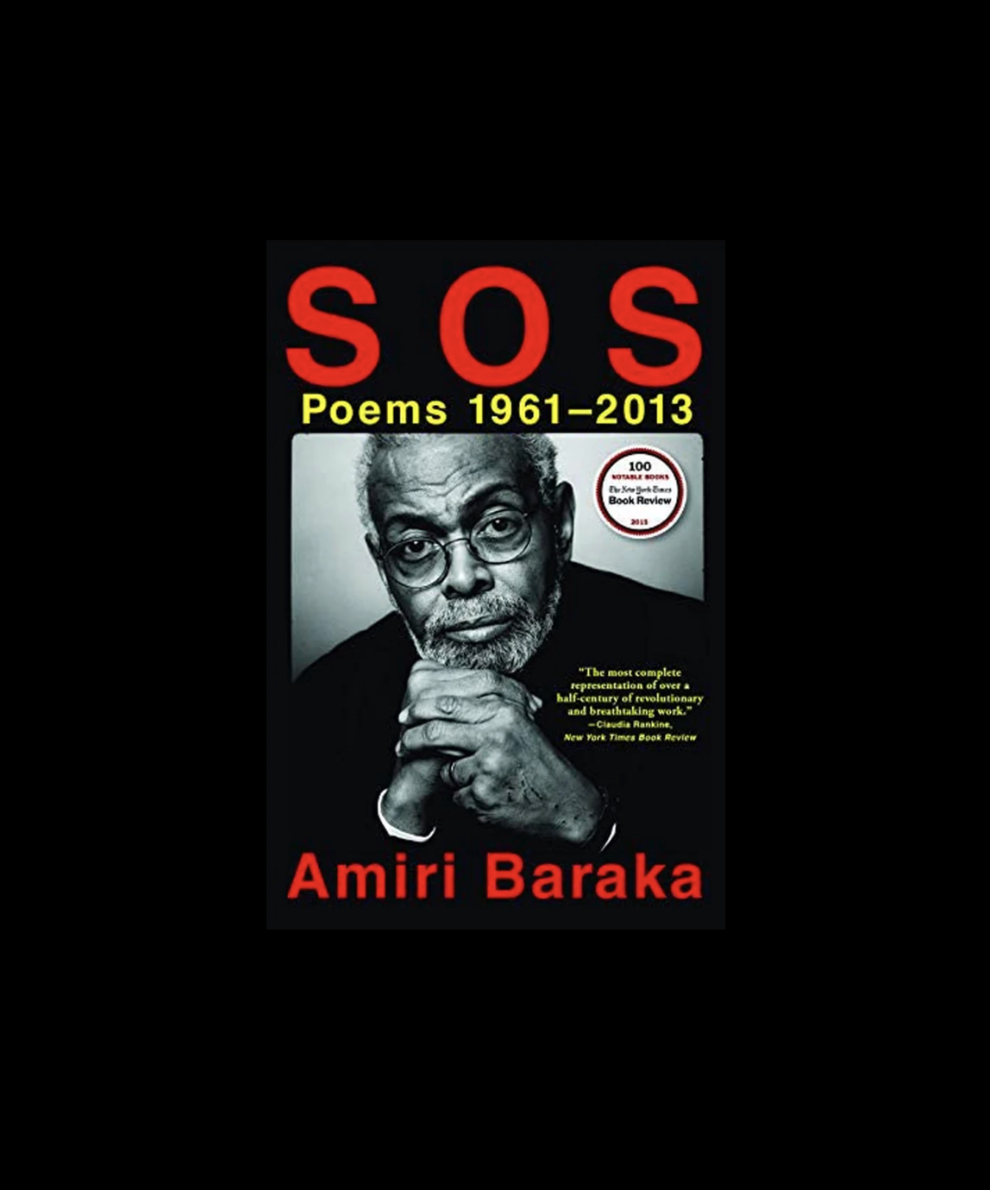
S O S: Poems 1961-2013
BOOK
Fusing the personal and the political in high-voltage verse, Amiri Baraka was one of the preeminent literary innovators of the past century. This volume comprises the fullest spectrum of his rousing, revolutionary poems, from his first collection to unpublished pieces composed during his final years. -
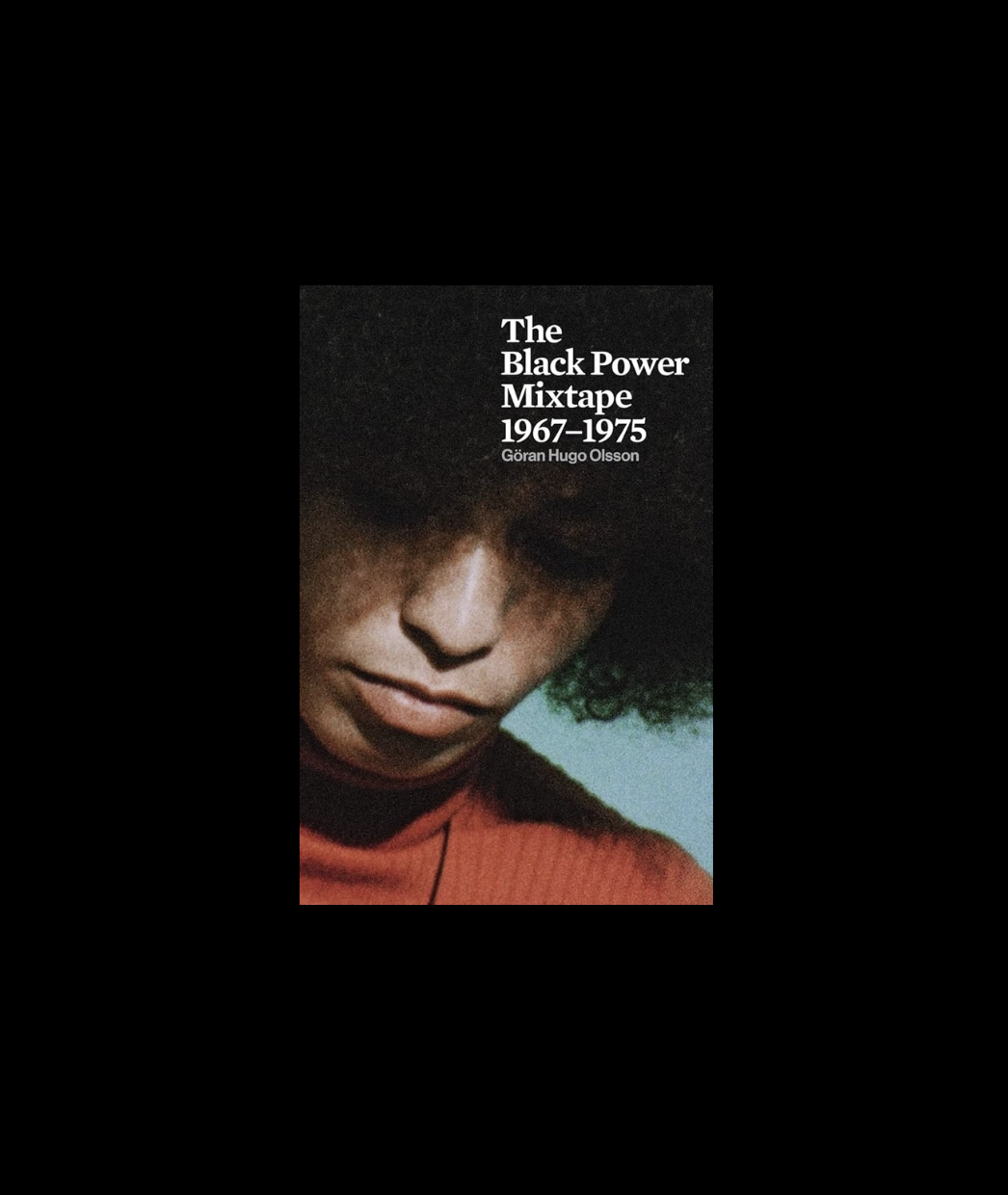
Black Power Mixtape
FILM
The Black Power Mixtape 1967–1975 is a 2011 Swedish documentary film directed by Göran Hugo Olsson, that examines the evolution of the Black Power movement in American society from 1967 to 1975, with appearances by Angela Davis, Bobby Seale, Huey P. Newton, Eldridge Cleaver, and other activists, artists, and leaders central to the movement -
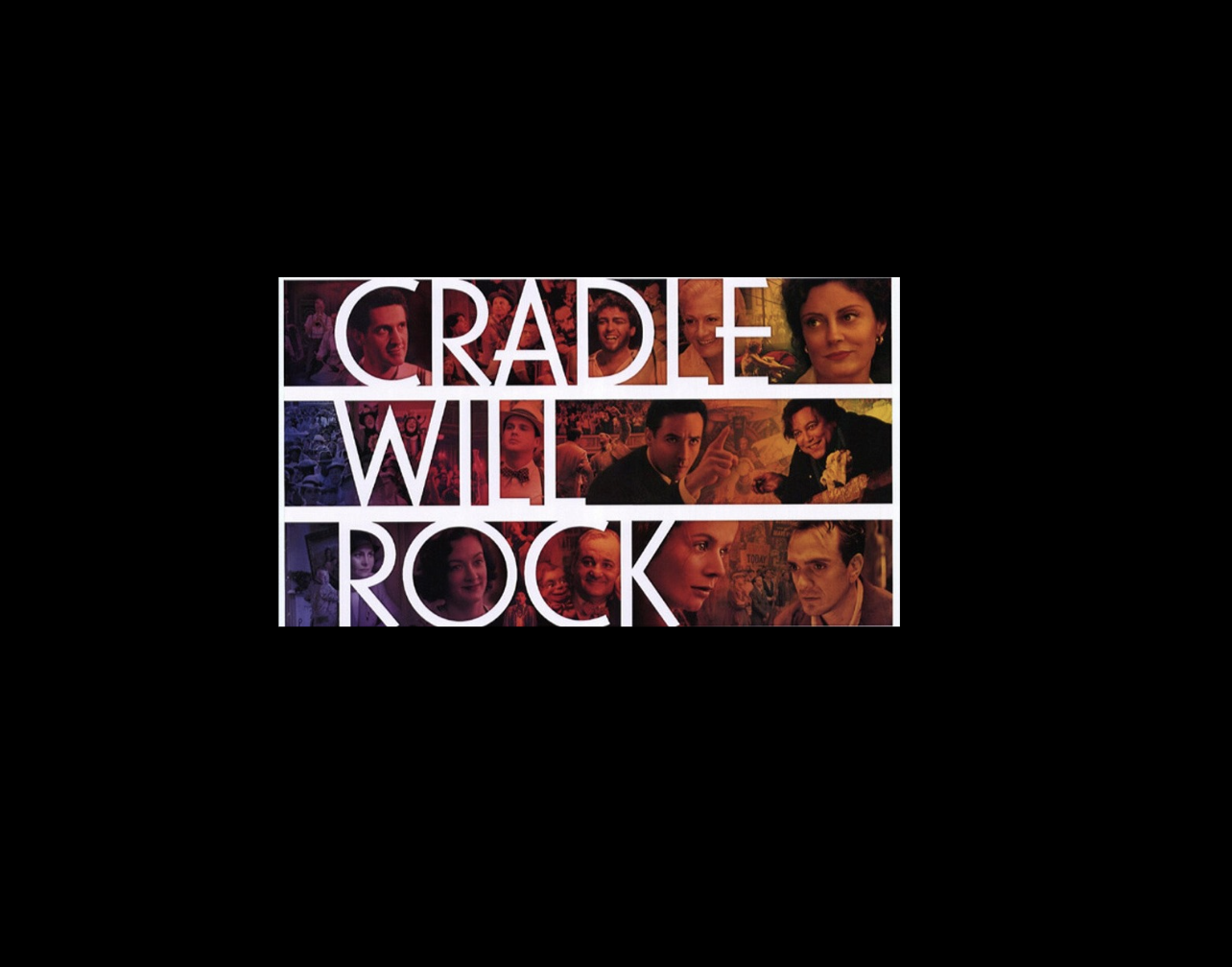
The Cradle Will rock (1999)
FILM
This film tells the story of the 1937 staging of Marc Blitzstein's pro-union musical, set against the political battles over the Federal Theatre Project and the collision of art, money, and power in Depression-era America -
Armed By Design: OSPAAAL solidarity posters (1966–1990)
ART
A visual collection highlighting how revolutionary Cuba used graphic design as an internationalist tool for political education and anti-imperialist solidarity. -
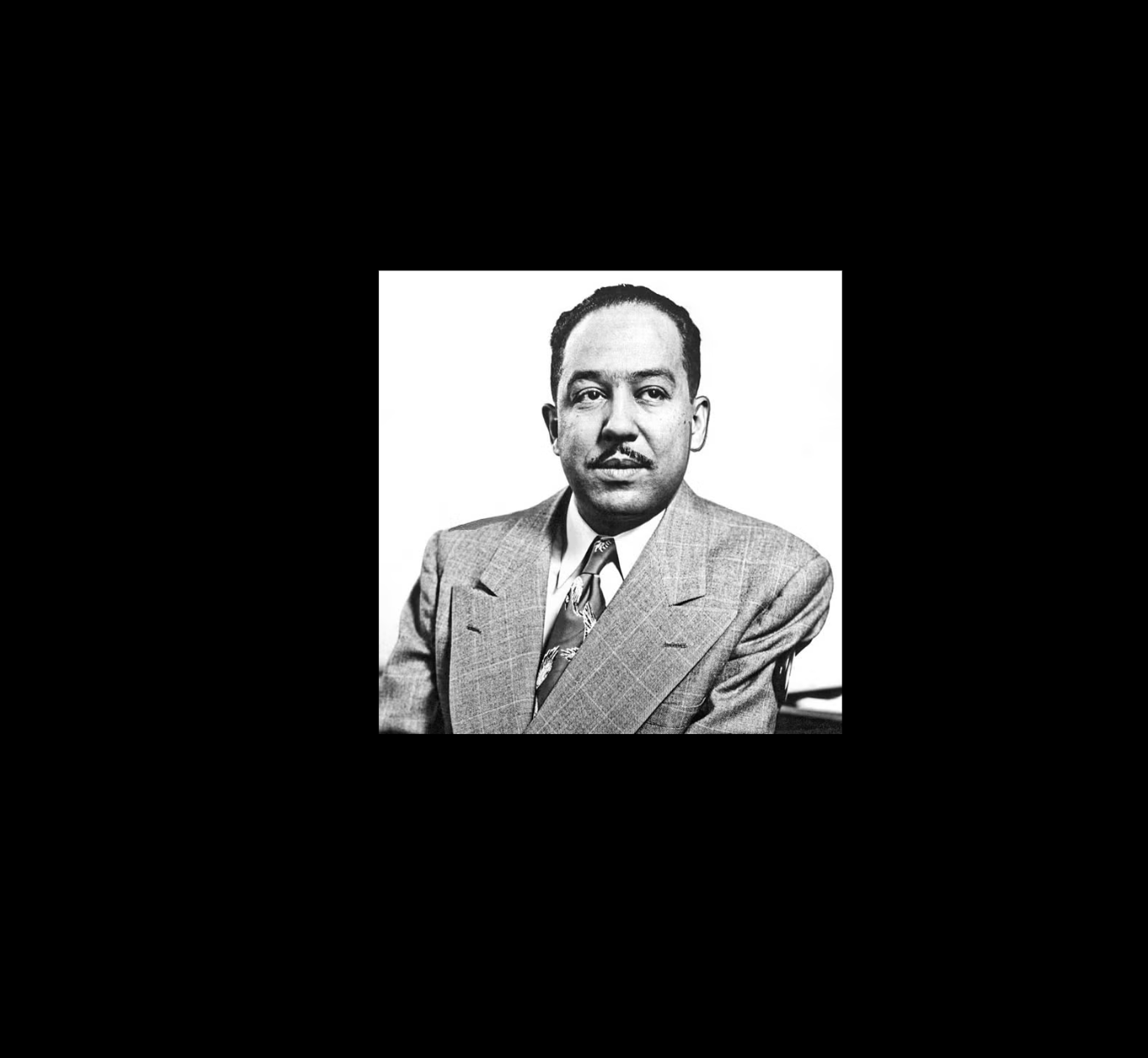
Good Morning Revolution!
Good morning Revolution:
You are the best friend
I ever had…. -
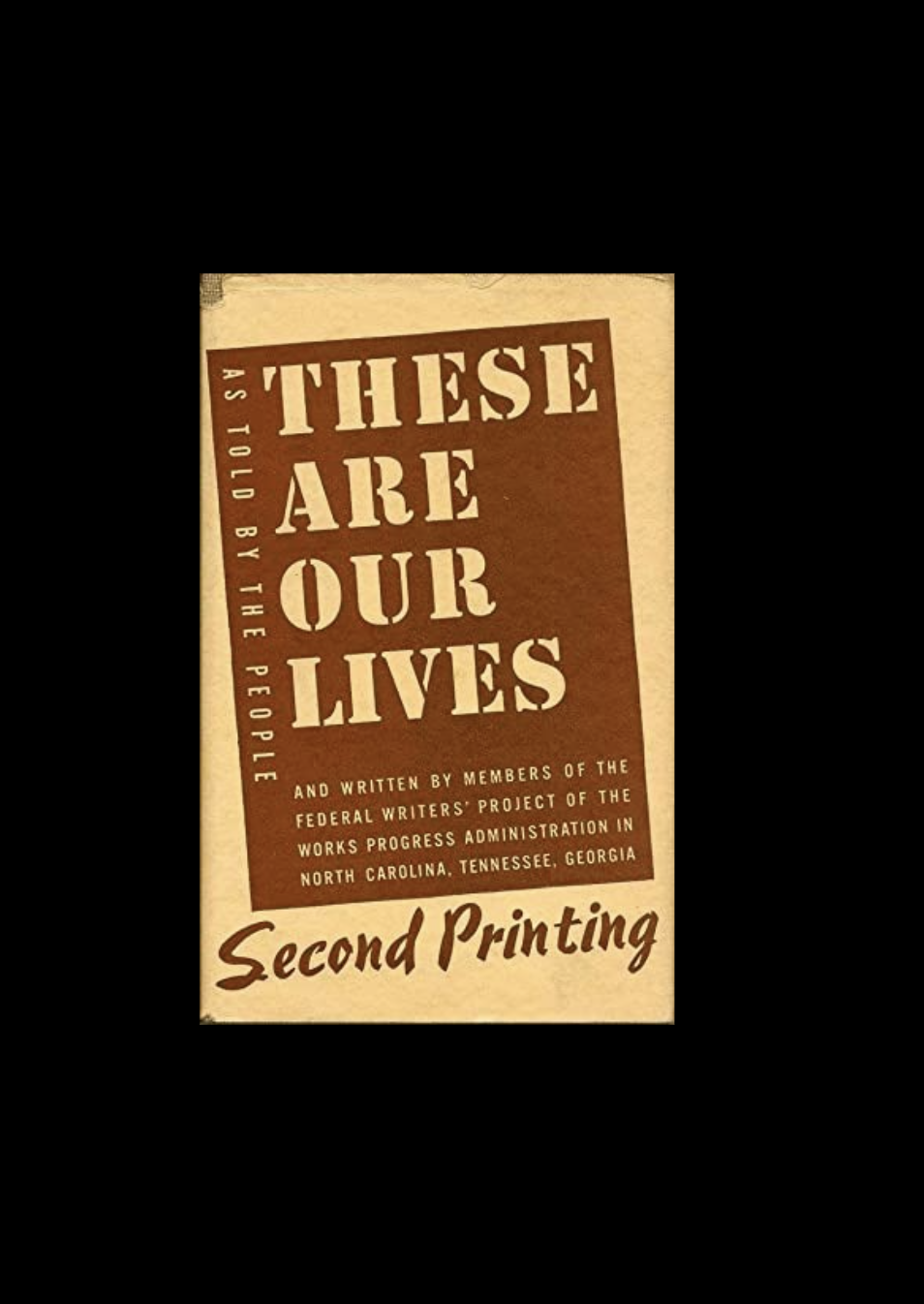
'Born in Slavery' - Slave Narratives from Federal Writers Project
The Slave Narrative Collection represents the culmination of a literary tradition that extends back to the 18th century, when the earliest American slave narratives began to appear. In 1936 employees of Florida's active black FWP unit, which included the novelist-anthropologist Zora Neale Hurston, interviewed a substantial number of former slaves as an integral part of their quest for indigenous African American folk materials. Check out some of the collection at the Library of Congress website
-
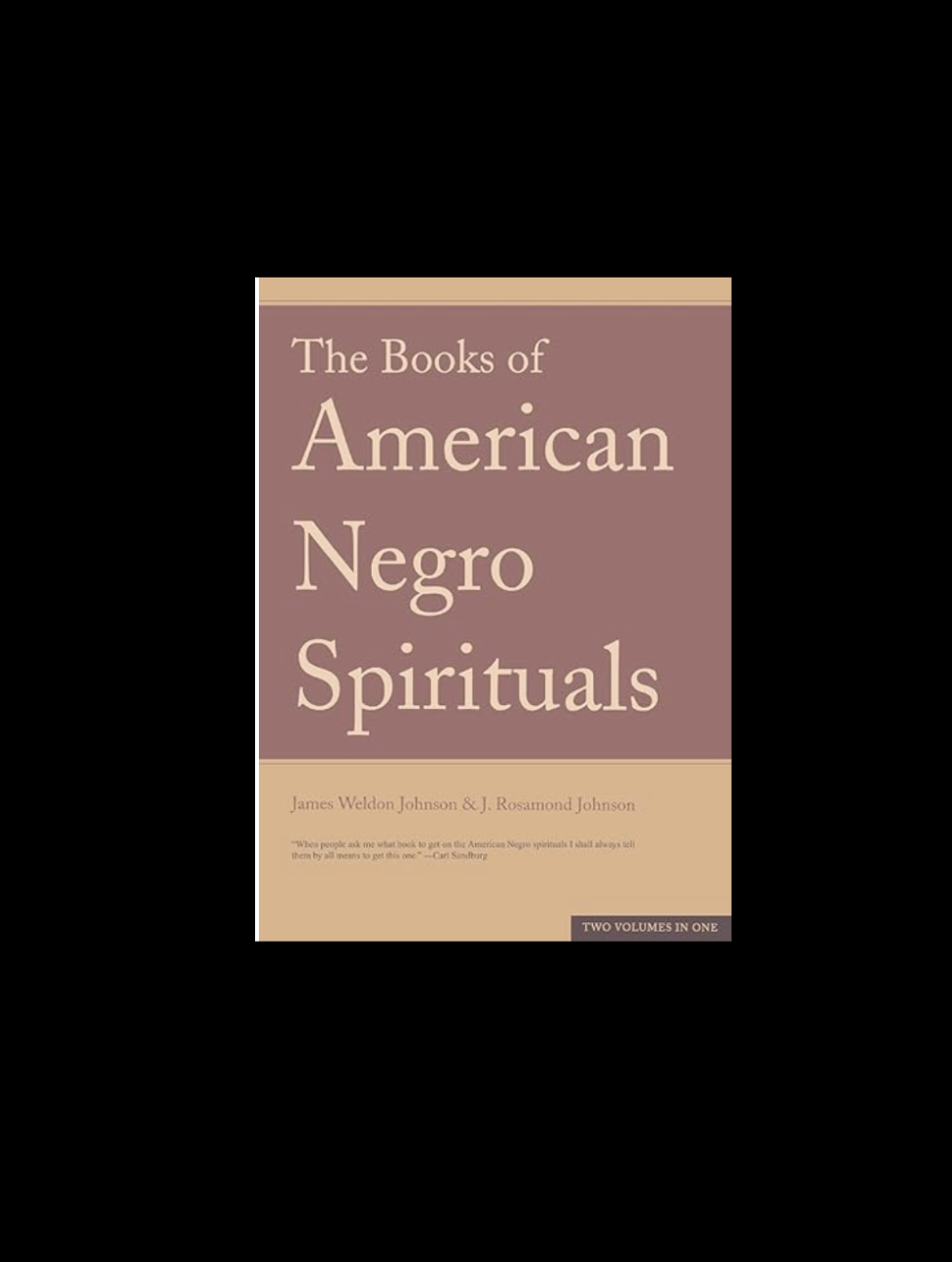
The Book of American Negro Spirituals
This stirring collection of Negro spirituals, edited by the great Negro poet James Weldon Johnson and arranged for voice and piano by his brother J. Rosamond Johnson, presents 120 of these melodic -- and intensely moving -- religious folk songs for contemporary performance. The original language has been faithfully preserved in this convenient performing edition, so that the spirituals can be sung today exactly as they were more than a hundred years ago.
-
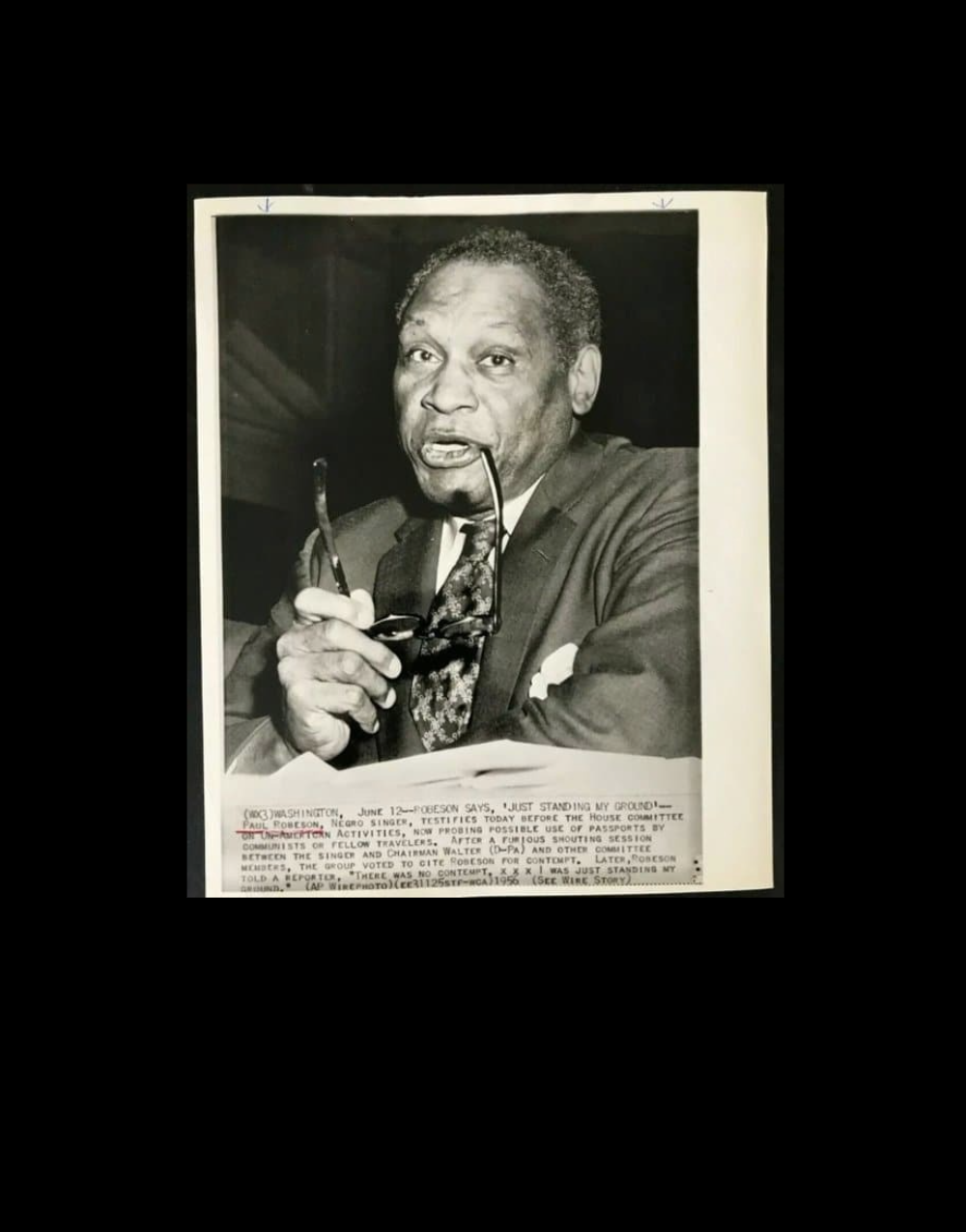
Paul Robeson's HUAC Testimony
“You Are the Un-Americans, and You Ought to be Ashamed of Yourselves”: Paul Robeson Appears Before HUAC
In the following testimony to a HUAC hearing, ostensibly convened to gain information regarding his passport suit, Robeson refused to answer questions concerning his political activities and lectured bigoted Committee members Gordon H. Scherer and Chairman Francis E.Walter about African-American history and civil rights. In 1958, the Supreme Court ruled that a citizen’s right to travel could not be taken away without due process and Robeson’ passport was returned. Read here and listen here
-
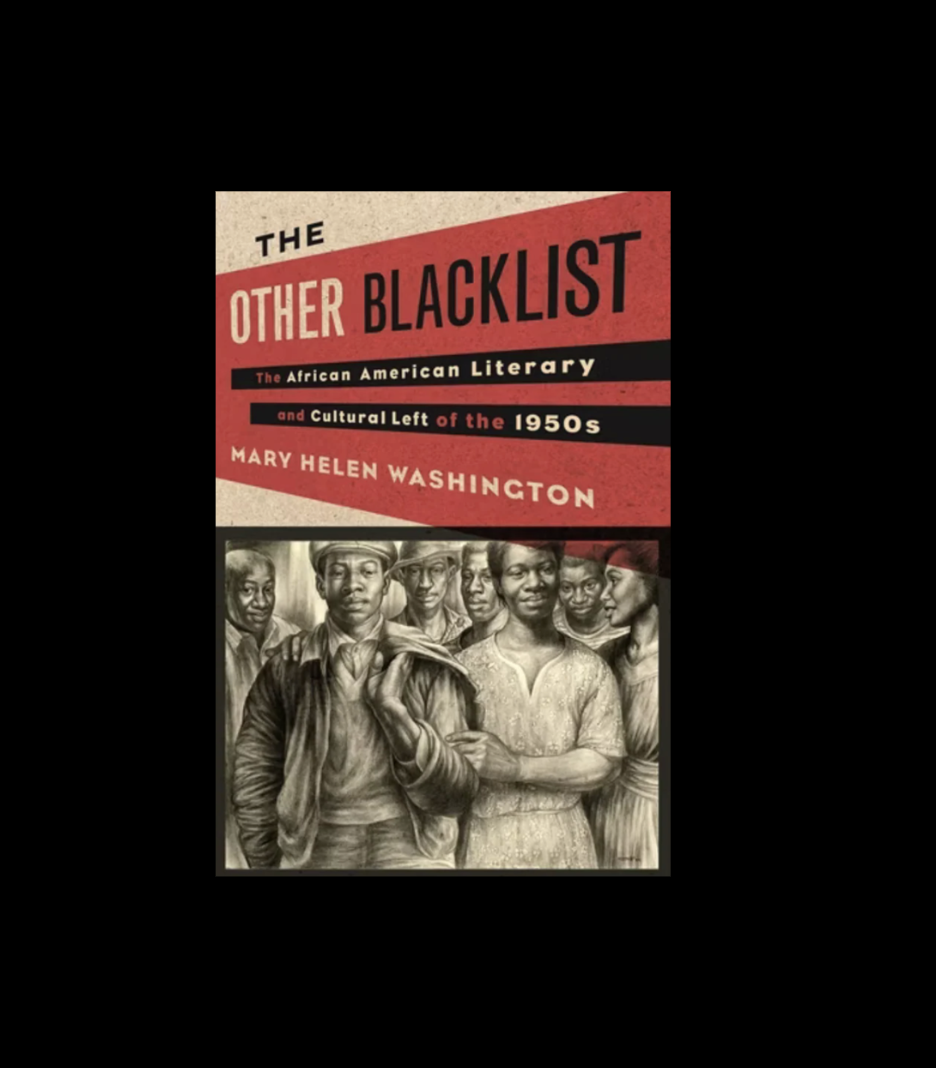
The Other Blacklist The African American Literary and Cultural Left of the 1950s
Mary Helen Washington recovers the vital role of 1950s leftist politics in the works and lives of modern African American writers and artists. While most histories of McCarthyism focus on the devastation of the blacklist and the intersection of leftist politics and American culture, few include the activities of radical writers and artists from the Black Popular Front. Washington's work incorporates these black intellectuals back into our understanding of mid-twentieth-century African American literature and art and expands our understanding of the creative ferment energizing all of America during this period.
-
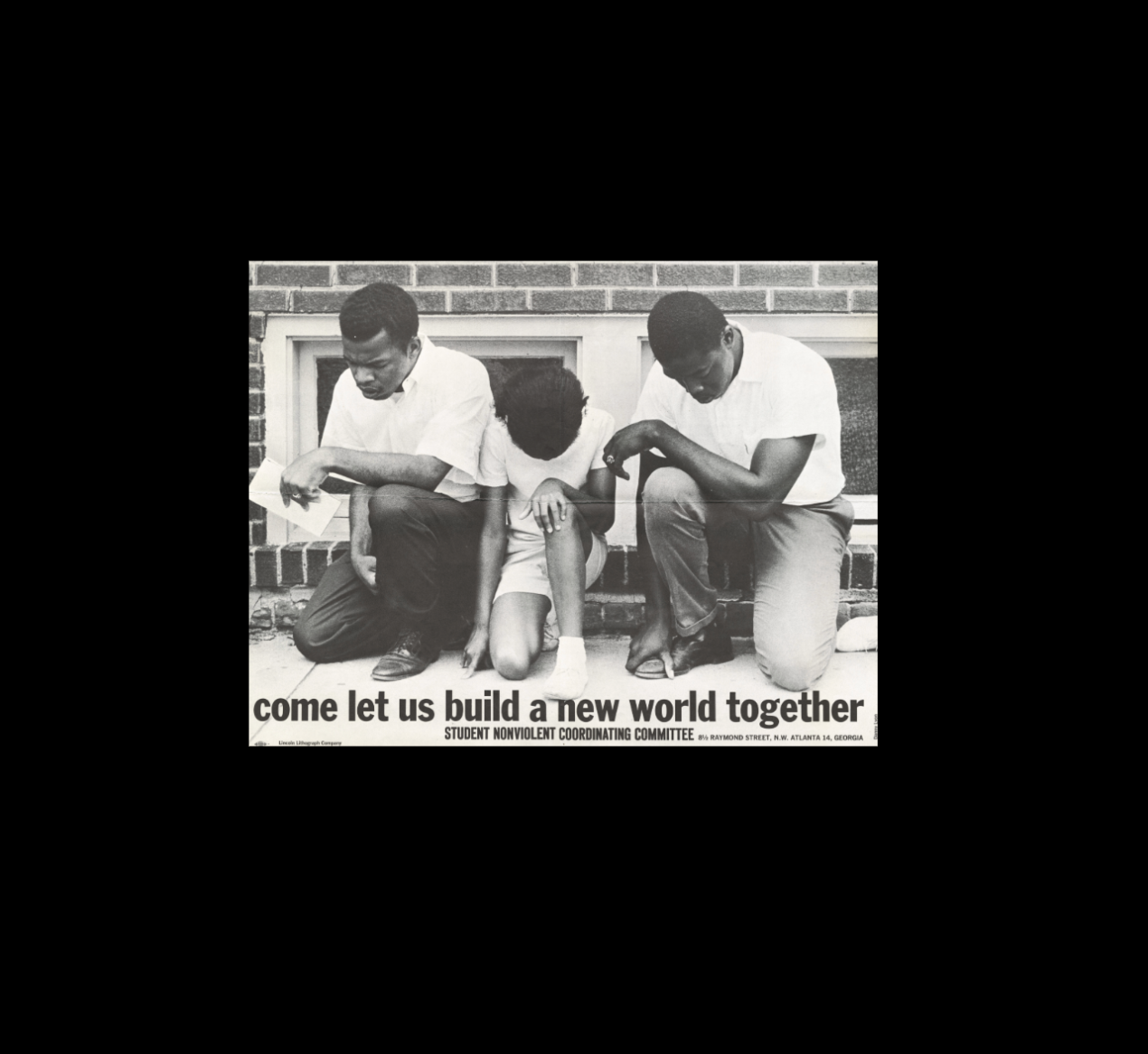
SNCC Photo Department
The photography department’s mission was multi-fold. It relayed uncontestable visual information about the Movement, provided materials for organizing, and acted as a tool for fundraising, as well as worked to capture the “meaningful details of everyday life.” SNCC’s photos documented lived experiences, from rural life to political organizing, and provided stark proof of the brutality of racist violence that those in the Movement faced. The “pictures became organizers…” said Julian Bond,
-
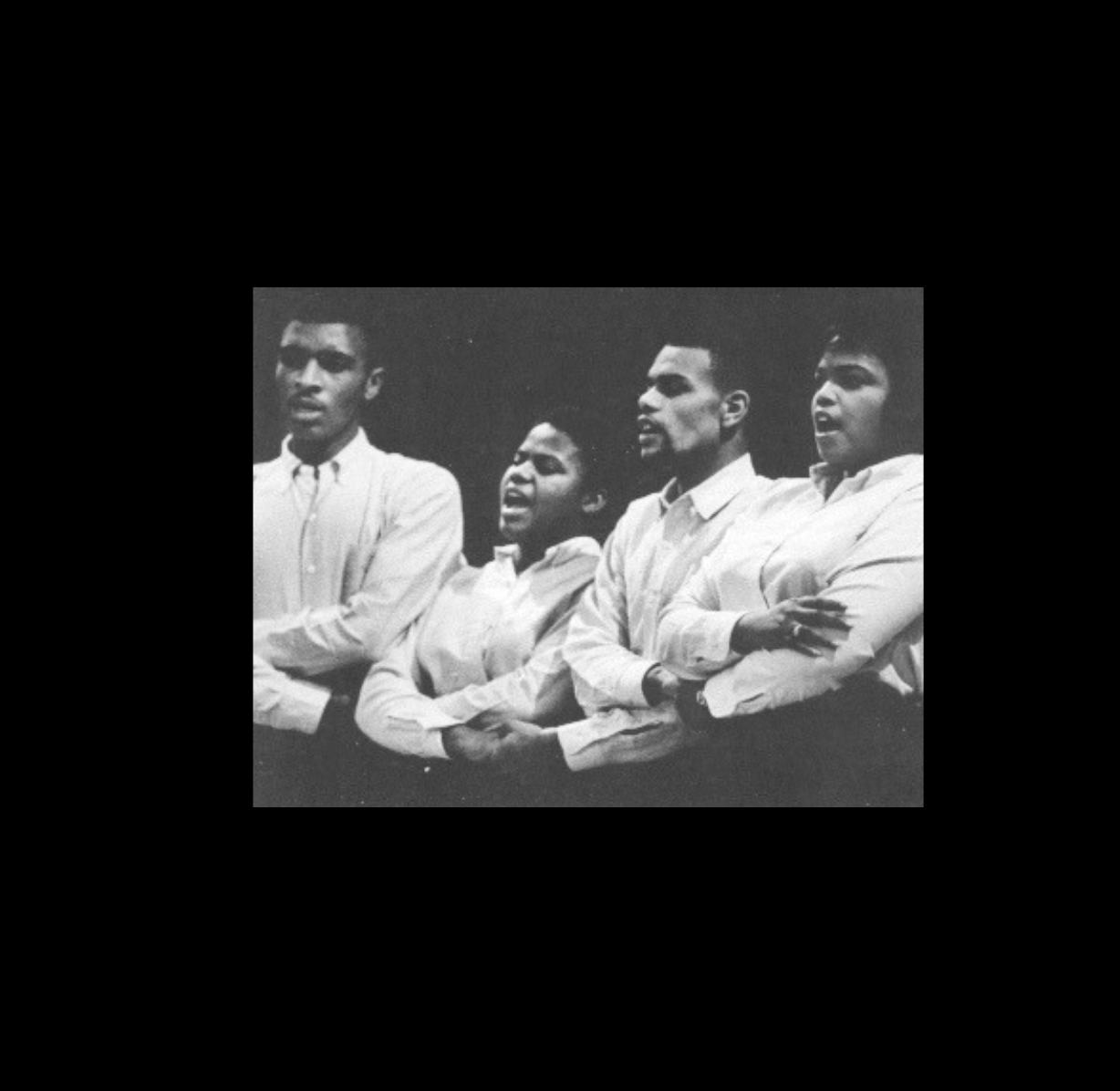
Freedom Singers
But the Freedom Singers did more than raise funds; they brought the Movement vividly alive wherever they went. Using songs, “interspersed with narrative, to convey the story of the Civil Rights Movement struggles,” Bernice Johnson explained, “they became a major way of making people who were not on the scene feel the intensity of what was happening in the South.” She described the group as “a singing newspaper” that forced the issue of Black second-class citizenship into public consciousness.
Session 3
-
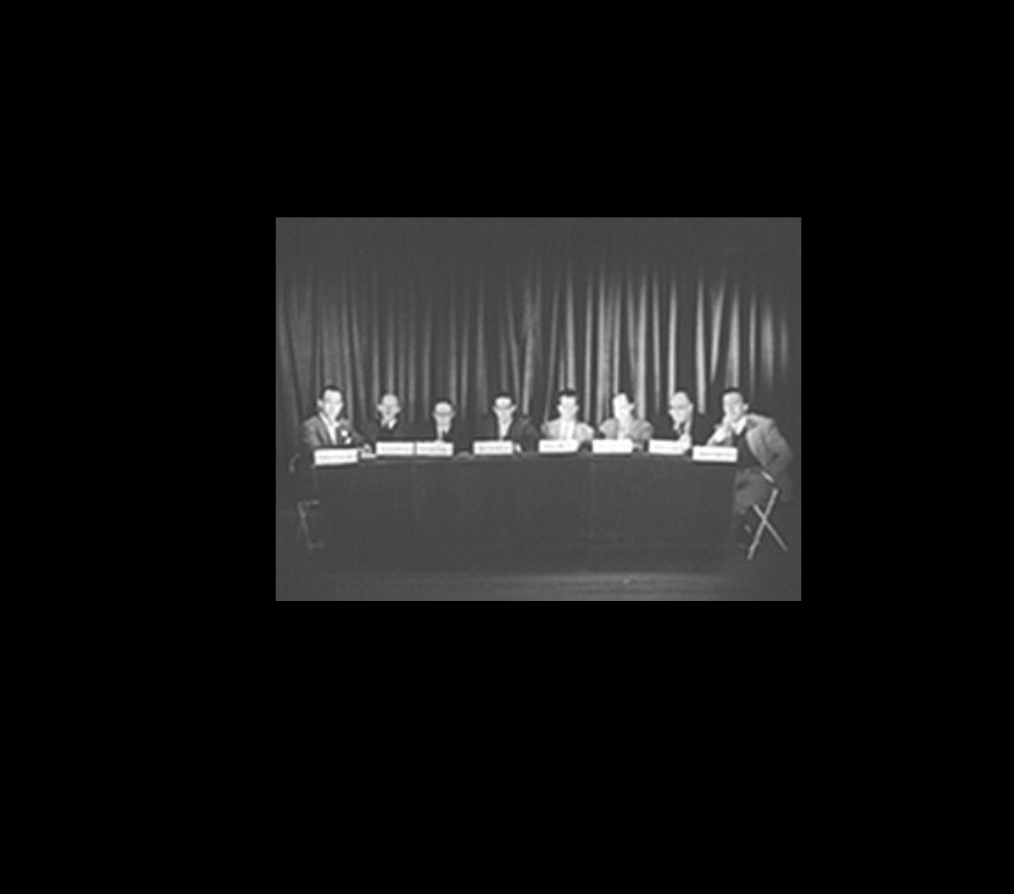
FILM: HOLLYWOOD 10
The Hollywood Ten is a 1950 American short documentary film. Shot in 16mm with a runtime of 15 minutes, it was created quickly to raise public awareness and legal funds for the ten screenwriters and directors who comprised the "Hollywood Ten".[1] At the time of filming in April 1950, the ten blacklisted men were facing prison sentences for contempt of Congress stemming from their non-cooperation with the House Un-American Activities Committee
-
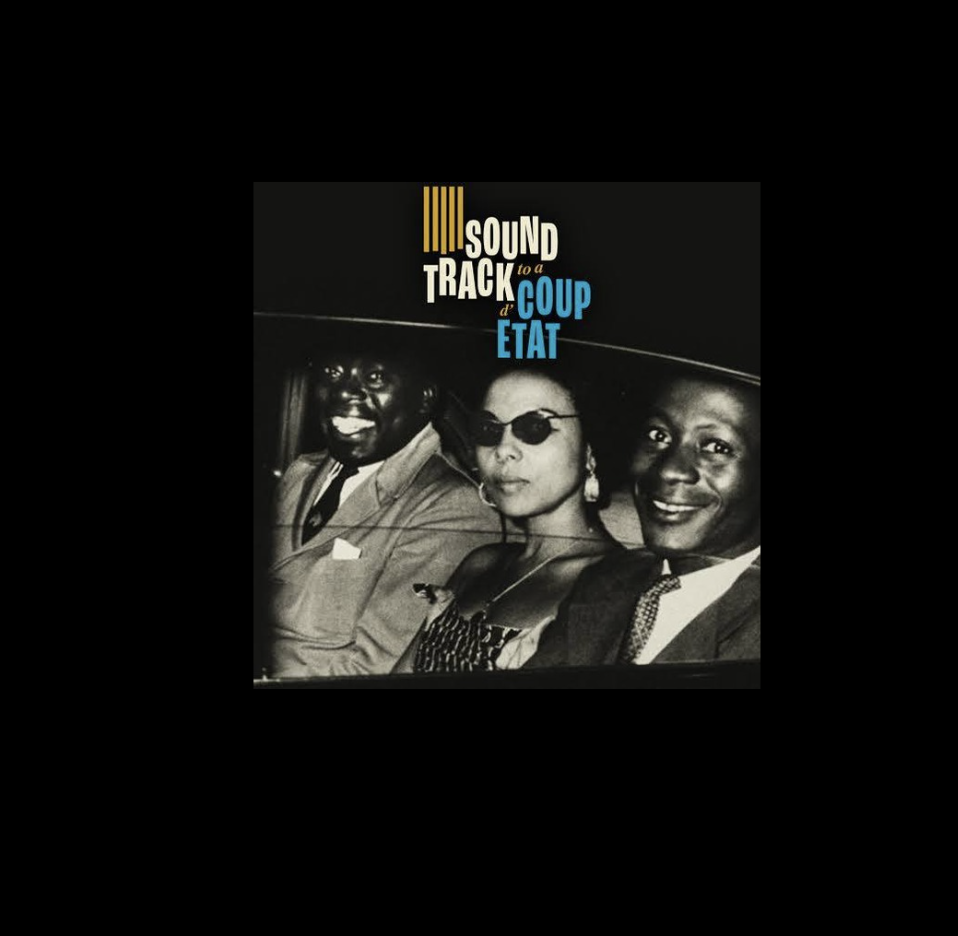
FILM: SOUNDTRACK TO A COUP D'ETAT
United Nations, 1960: the Global South ignites a political earthquake, jazz musicians Abbey Lincoln and Max Roach crash the Security Council, Nikita Khrushchev bangs his shoe, and the U.S. State Department swings into action, sending jazz ambassador Louis Armstrong to Congo to deflect attention from the CIA-backed coup. Director Johan Grimonprez captures the moment when African politics and American jazz collided in this magnificent essay film, a riveting historical rollercoaster that illuminates the political machinations behind the 1961 assassination of Congo’s leader Patrice Lumumba. Richly illustrated by eyewitness accounts, official government memos, testimonies from mercenaries and CIA operatives, speeches from Lumumba himself, and a veritable canon of jazz icons, Soundtrack to a Coup d’Etat interrogates colonial history to tell an urgent and timely story of precedent that resonates more than ever in today’s geopolitical climate.
-
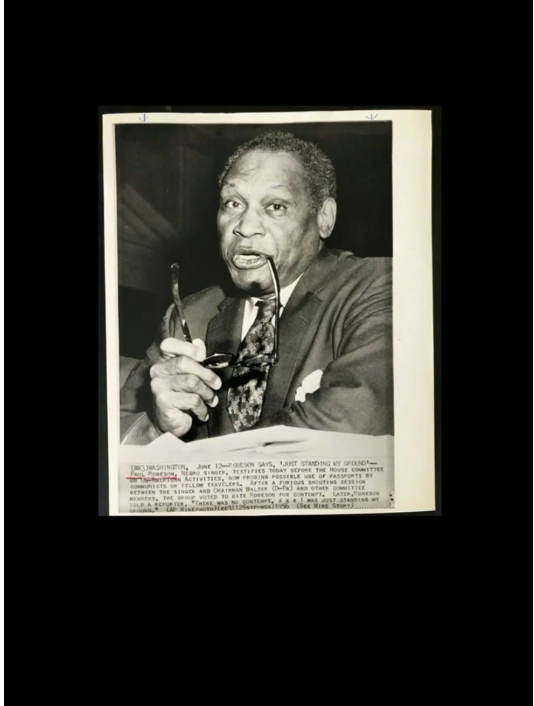
paul robeson's huac testimony
You Are the Un-Americans, and You Ought to be Ashamed of Yourselves”: Paul Robeson Appears Before HUAC
In the following testimony to a HUAC hearing, ostensibly convened to gain information regarding his passport suit, Robeson refused to answer questions concerning his political activities and lectured bigoted Committee members Gordon H. Scherer and Chairman Francis E.Walter about African-American history and civil rights. In 1958, the Supreme Court ruled that a citizen’s right to travel could not be taken away without due process and Robeson’ passport was returned. Read here and listen here
Session 4
-
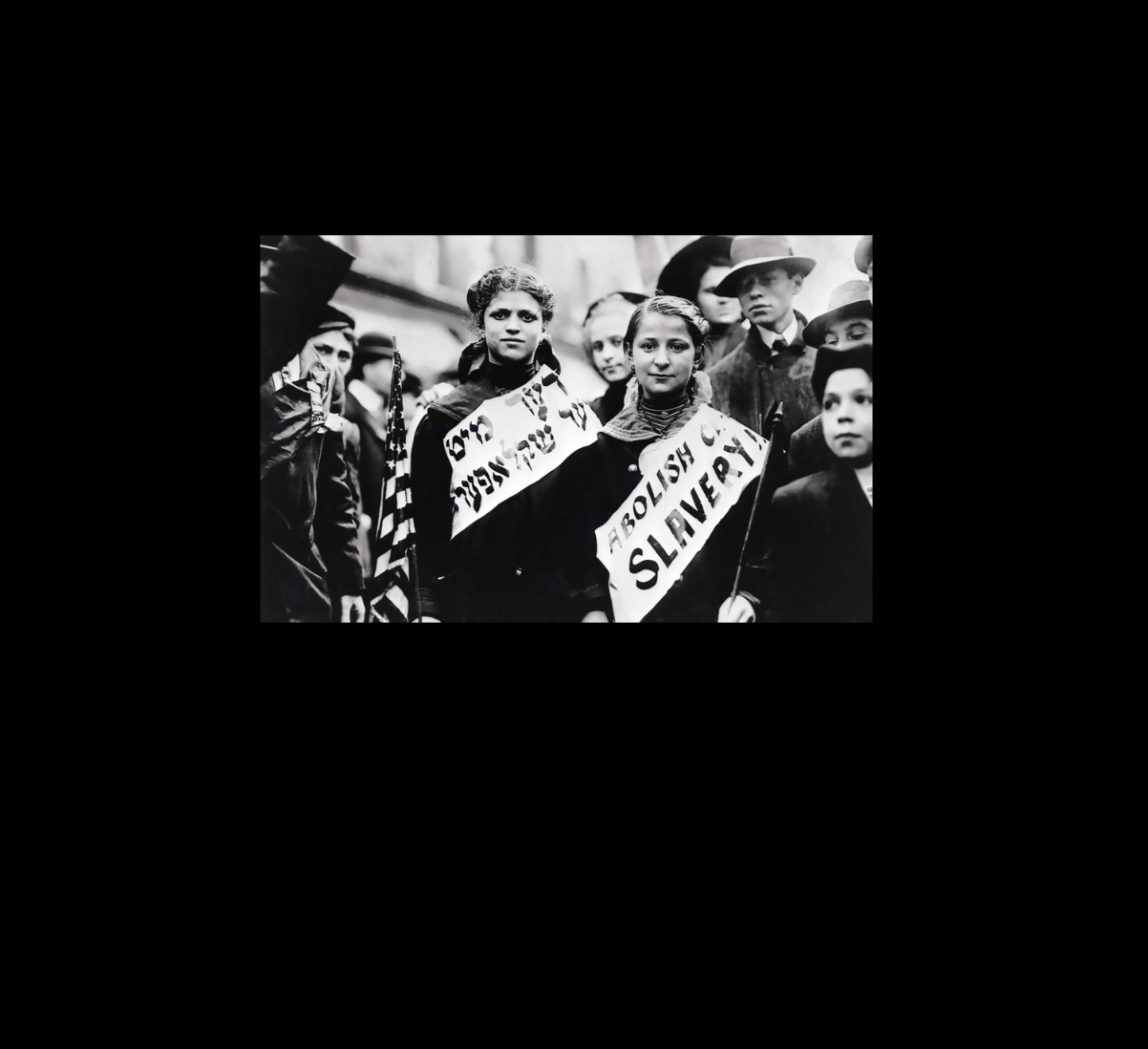
The Paterson Silk Strike of 1913
A major struggle in the history of the American Left occurred when twenty-five thousand striking silk workers shut down the three hundred silk mills and dye houses in Paterson, New Jersey, for almost five months of 1913. From the beginning, the strikers focused on issues of workers' control. During the strike, they successfully overcame differences of nationality, craft, and gender; their democratic self-organization served as a school in self-management.
-
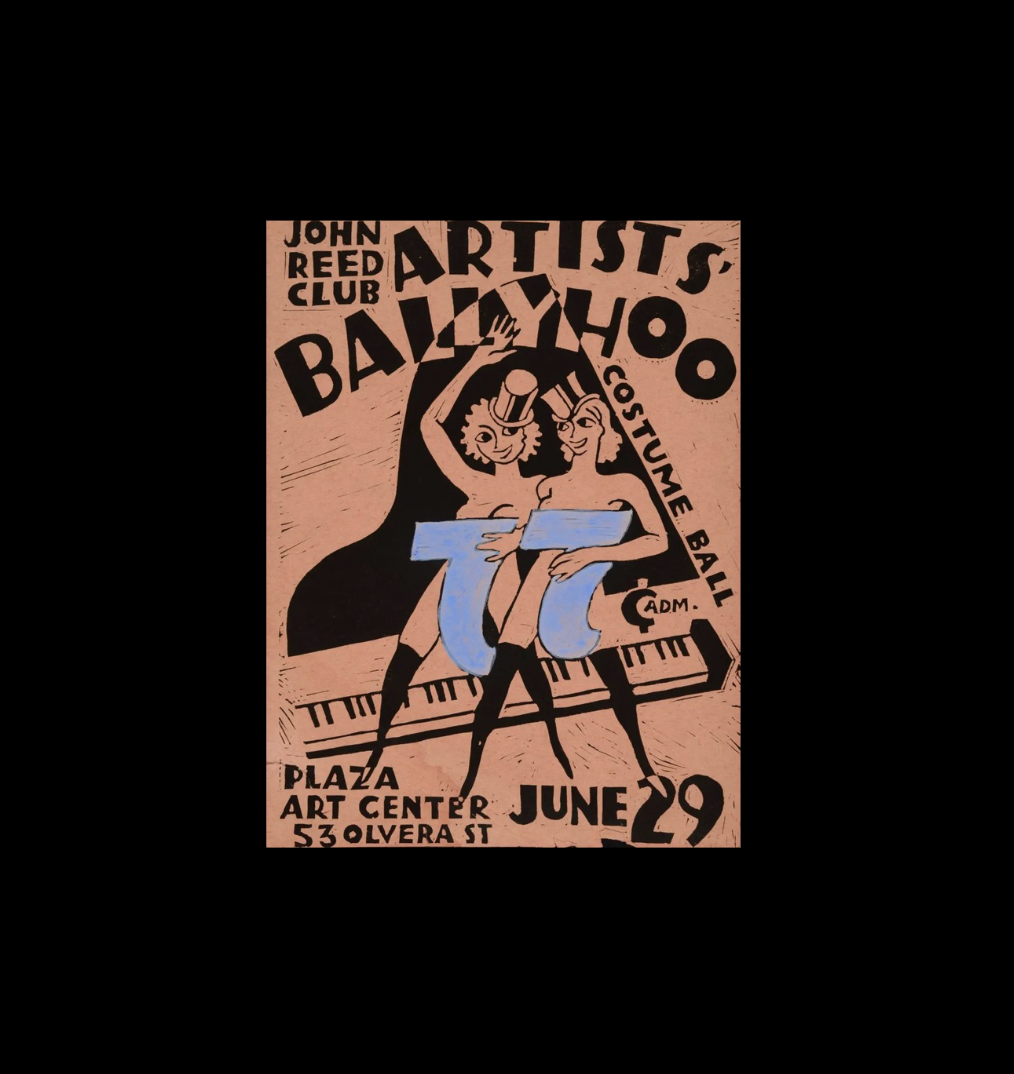
JOHN REED CLUB CONVENTION
One year ago was held the Kharkov congress, guided by some of the most politically mature writers in the world’s working class movement. This congress gave out, as its two main directives, the following:
(1) It is our task to create a proletarian literature out of the workshops, out of the factories and mines.
(2) It is the task of every workers’ cultural group to bring in, also, those who are of the middle class, which is in a state of collapse. This class will vacillate. Marx said that vacillating is their historic role. They will bring in dangerous elements. But everything in the Revolution is dangerous.”
-
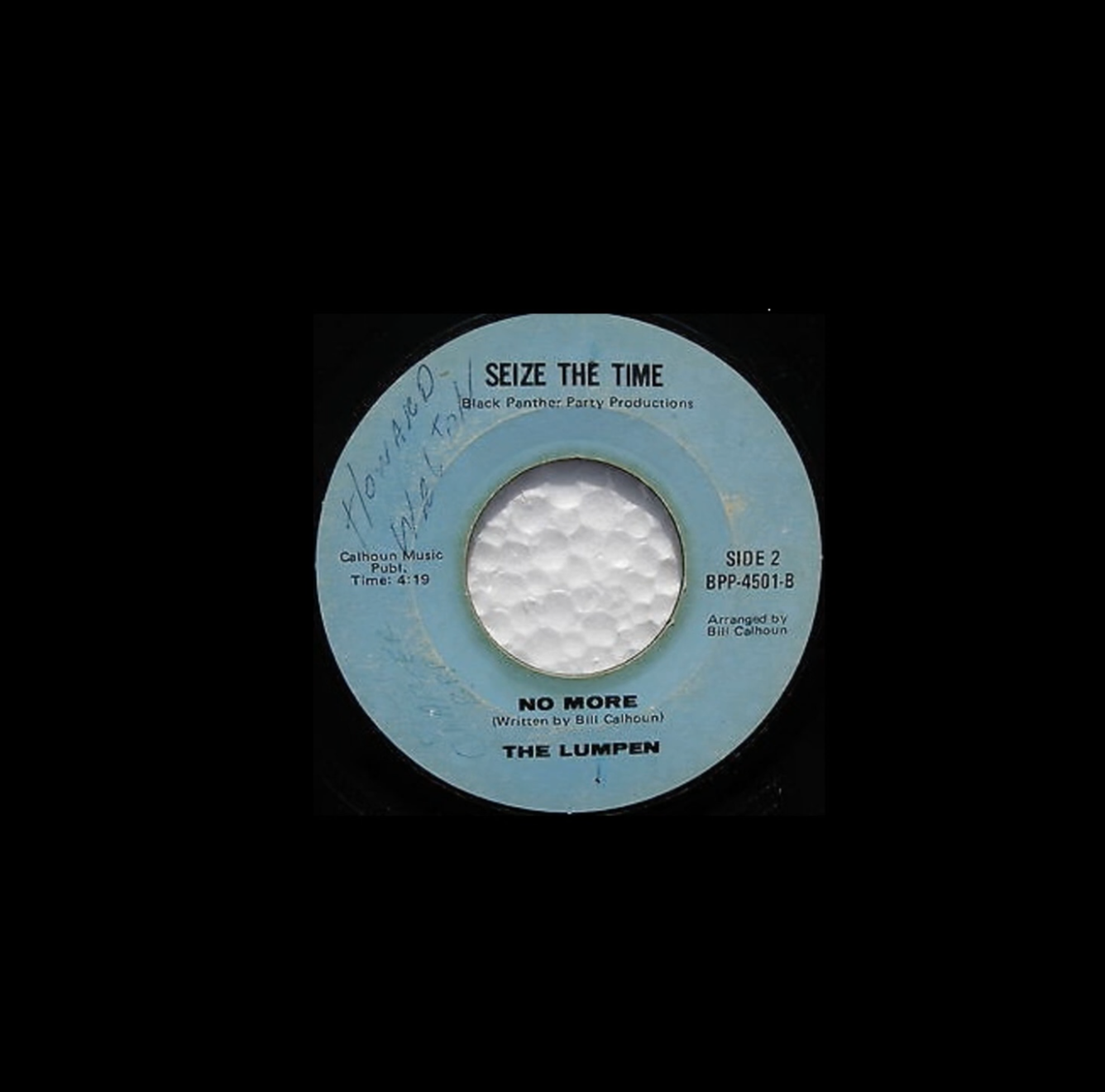
"No More" - The Lumpen (1970 "Seize The Time" Black Panther Party Productions)
The Lumpen was a little-known soul/funk band formed amongst active Black Panther Party members. Inspired by the example of fellow Party member Elaine Brown, who recorded the 1969 protest album Seize The Time, The Lumpen meant to "use popular forms of music that the community could relate to and politicize it so it would function as another weapon in the struggle for liberation.” One side, "Free Bobby Now," was a contemporary funk tune devoted to Party co-founder Bobby Seale, at the time imprisoned on contempt charges and a cause celebre for activists around the world. The other side, "No More," was performed in a more traditional spiritual style, with lyrics written by Lumpen member Bill Calhoun decrying state oppression "from Watts to Brownsville" but envisioning a future free of "pigs on our streets and poverty."
-
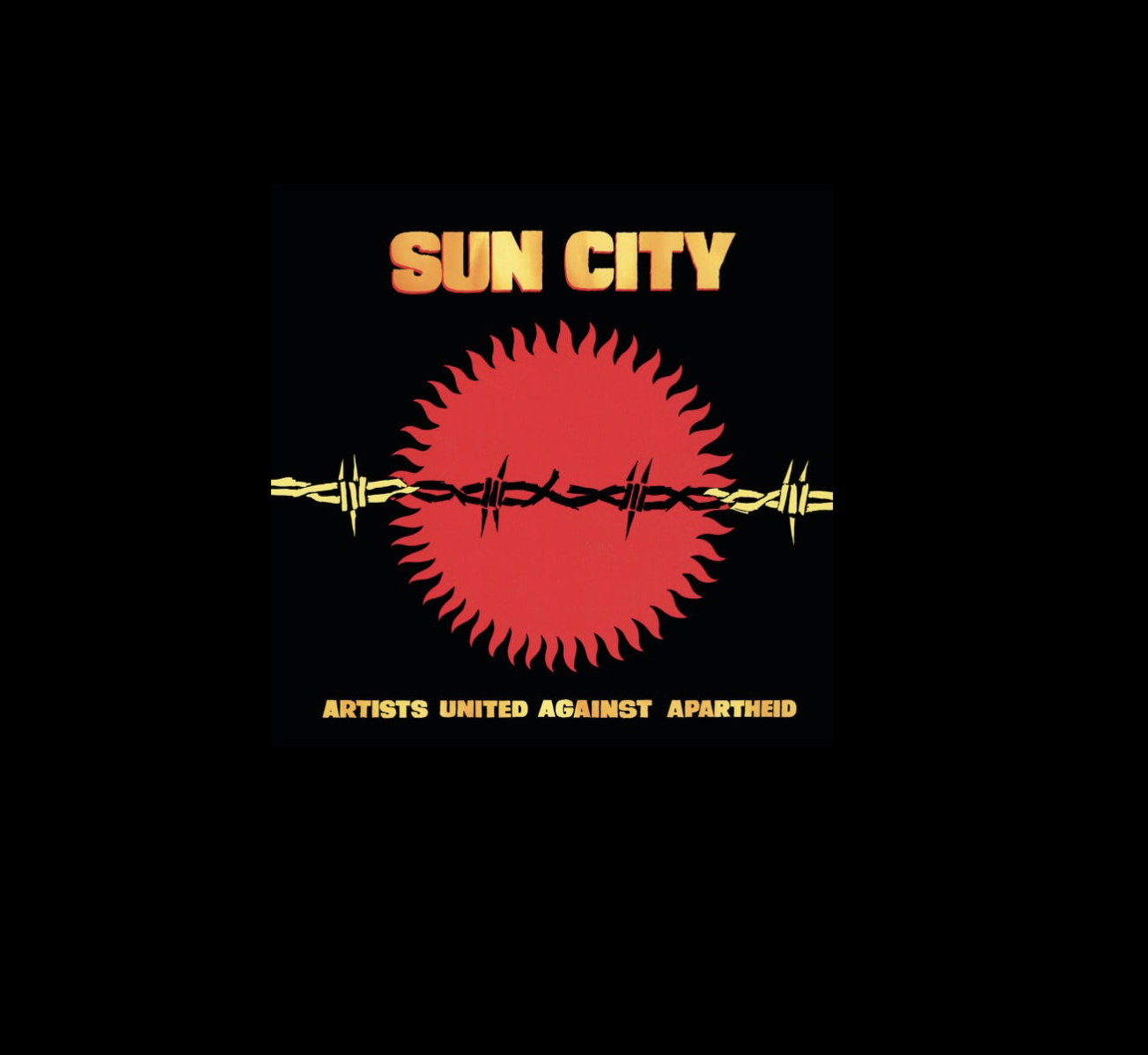
Artists United Against Apartheid - Sun City
Sun City is the first and only studio album by Artists United Against Apartheid, released on October 25, 1985. In the song, Van Zandt urges artists to boycott the Sun City resort in South Africa, where artists such as Queen, Elton John, Linda Ronstadt and Rod Stewart had accepted invitations to perform. Van Zandt's mission was to raise awareness of the racial segregation enforced by the white government in South Africa, and to encourage the cultural boycott the United Nations had imposed in the early 1980s
-
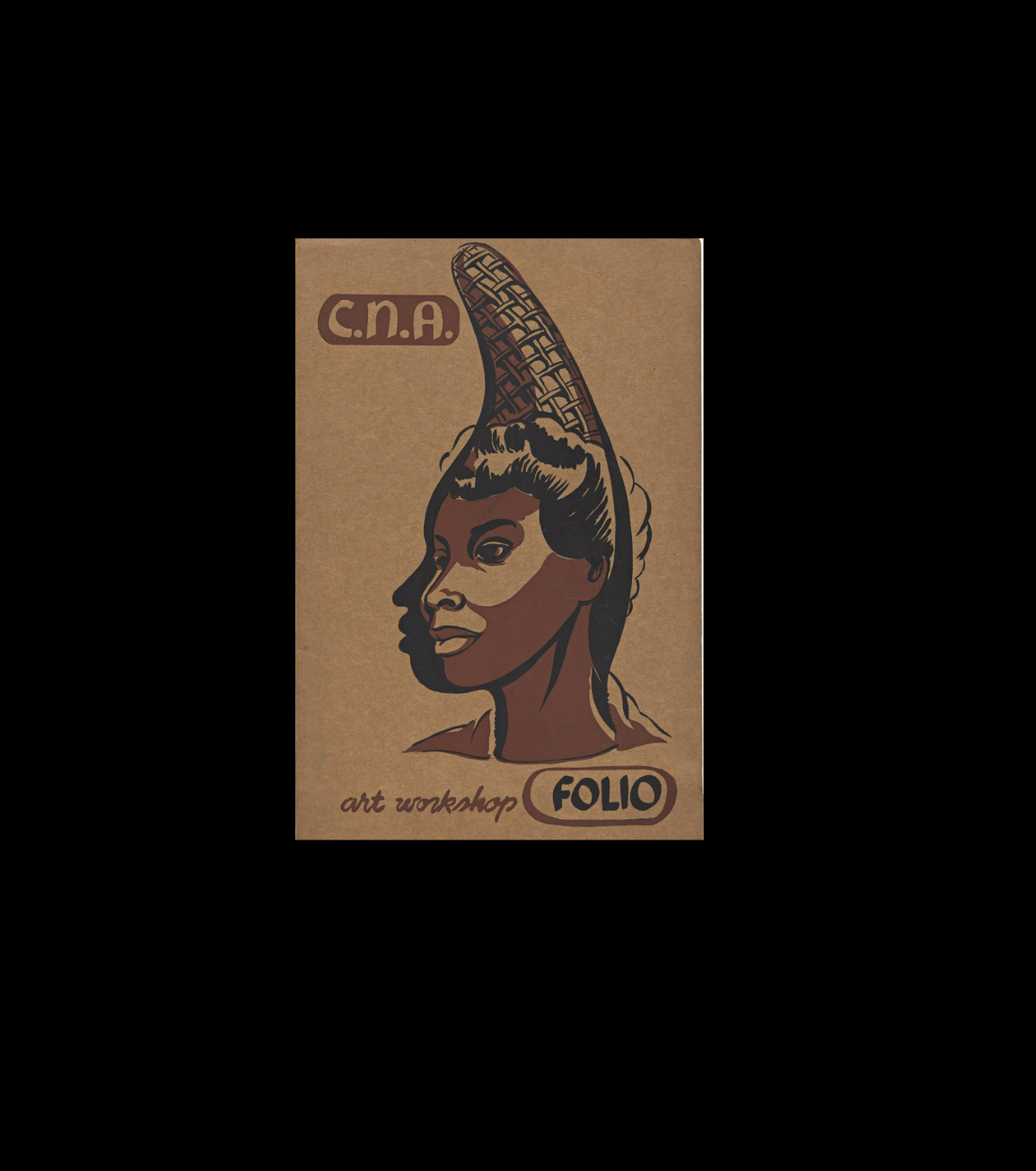
(PORTFOLIO) THE COMMITTEE FOR THE NEGRO IN THE ARTS Art Workshop Folio.
An extremely scarce portfolio of Harlem artists and an unusual document of the Art Chapter of the Committee for the Negro in the Arts. This promotional folio, wrote Langston Hughes in the introduction, was intended to make art accessible to a wider audience: "This portfolio will aid the people of Harlem and indeed of our whole city in learning that artists live among them and draw their subject matter from them.
-
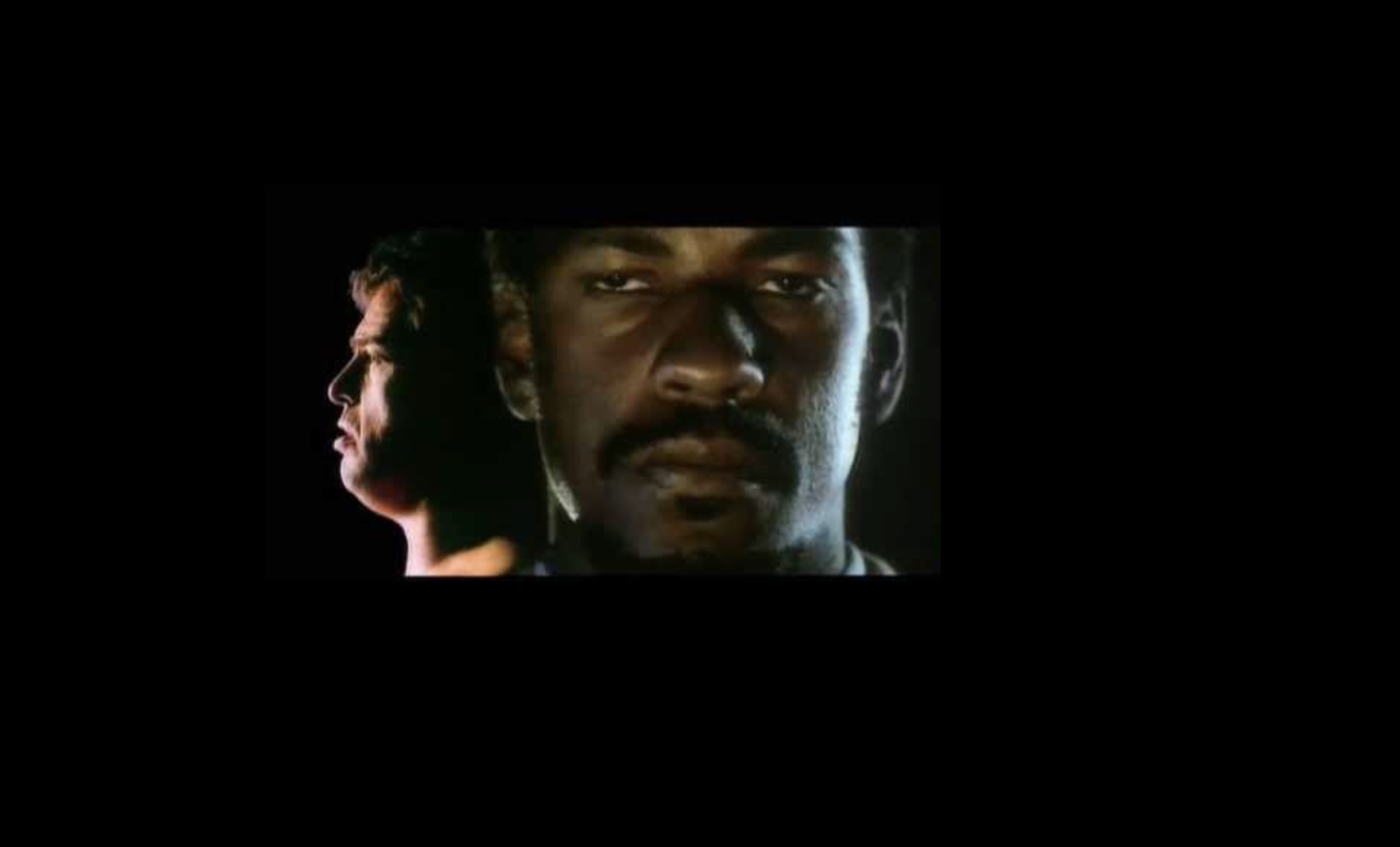
Peter Gabriel - Biko
Peter Gabriel's 1980 song "Biko" is a poignant anti-apartheid protest song and musical eulogy honoring Steve Biko, a Black South African anti-apartheid activist who was killed in police custody on September 12, 1977. The song highlights the brutality of South Africa's apartheid regime
Glossary
-
The condition of being cut off from your own labor, its products, other people, and yourself. A worker who makes something they can't afford and have no say over is alienated from their work.
-
The "base" is the economic foundation (how production is organized, class relations), and the "superstructure" is everything built on top of it (law, politics, religion, media, art, culture). The two shape each other, but the base exerts powerful pressure on what's possible in the superstructure
-
Capitalism is an economic and social system where a small class of people (the capitalists) own the tools, land, factories, and resources needed to produce goods and services. The majority of people (the working class) do not own these things and must sell their labor to survive. In this system, profit is made by paying workers less than the value they create. That unpaid labor becomes surplus value, which the capitalist class uses to expand their wealth and power. Capitalism is driven by competition, private ownership, and exploitation, and it reproduces inequality, poverty, war, and environmental destruction to survive.
-
Not just income bracket or lifestyle, but your relationship to production. The working class sells its labor to survive. The capitalist class owns the means of production (factories, platforms, studios, land) and lives off that ownership. Class isn't an identity you pick; it's a structural position
-
A commodity is something made to be sold, not used by the person who made it. Under capitalism, labor produces commodities: objects or services that have both a use and an exchange value. Nearly everything becomes a commodity under capitalism. Bread, housing, education, and even healthcare are all treated as items for sale. The value of a commodity is shaped by the amount of labor it contains and the profit it can generate for the owner.
-
The tension between opposing forces inside a situation, which is the engine of change. Capitalism, for instance, produces both enormous wealth and enormous poverty; that's a contradiction, not a glitch. Identifying contradictions helps us see where movement is possible
-
Exploitation is the economic foundation of capitalism. It happens when workers produce more value than they receive in wages, and the difference (called surplus value) is taken by the capitalist. Exploitation is not about bad bosses or low wages alone. It is a built-in feature of a system where one class owns the means of production and profits from the labor of another. Even the best-paid workers are still being exploited if someone else is collecting profit from their work.
-
From Antonio Gramsci: the way a ruling class maintains power not mainly through force but through consent - by shaping culture, education, media, and everyday life so its worldview becomes everyone's common sense
-
Labor power is a person’s ability to work: their time, energy, skills, and knowledge. Under capitalism, labor power is treated like a commodity. Workers sell it to an employer in exchange for a wage. But the value workers create is usually much greater than what they are paid. That extra value is taken by the capitalist as profit. Labor power is what transforms raw materials into commodities, and it is the source of all value in capitalist production.
-
A mode of production is the overall system by which a society organizes how it produces and reproduces life, including food, housing, tools, and knowledge. It includes both the material forces of production (like labor, land, and technology) and the relations of production (who owns what and who works for who). Different historical periods have had different modes of production such as feudalism, slavery, capitalism, and socialism. Each mode is shaped by contradictions between classes and eventually gives rise to new systems through struggle and revolution.
-
The physical tools, machines, land, infrastructure, and raw materials needed to produce goods and services. They are one of the basic building blocks of any economy. Under capitalism, the means of production are privately owned by the capitalist class (the bourgeoisie), while workers own none of what they use on the job. This is why workers must sell their labor power to survive: they have nothing else to sell. For cultural production, the means of production include studios, galleries, streaming platforms, printing presses, distribution networks, and museums.